Music fan culture, often perceived as an organic expression of passion, represents a significant, often underutilized, commercial asset for brands, artists, and publishers. For marketers and content strategists, understanding the intricate dynamics of these communities is not merely about acknowledging enthusiasm; it is about recognizing a powerful engine for authentic engagement, content amplification, and direct-to-consumer monetization. This deep-rooted connection between fans and their chosen artists or genres translates into measurable value, influencing everything from album sales and concert attendance to merchandise purchases and streaming platform loyalty. Ignoring this vibrant ecosystem means overlooking a foundational element of sustained audience development and brand resilience in a fragmented media landscape.
Defining Music Fan Culture in the Digital Age
The landscape of music fan culture has undergone a profound transformation, moving from localized fan clubs and print zines to globally interconnected digital networks. This evolution has not diminished its core tenets of shared passion and collective identity; rather, it has amplified them, creating more diverse and accessible avenues for engagement.
Evolution from Analog to Digital
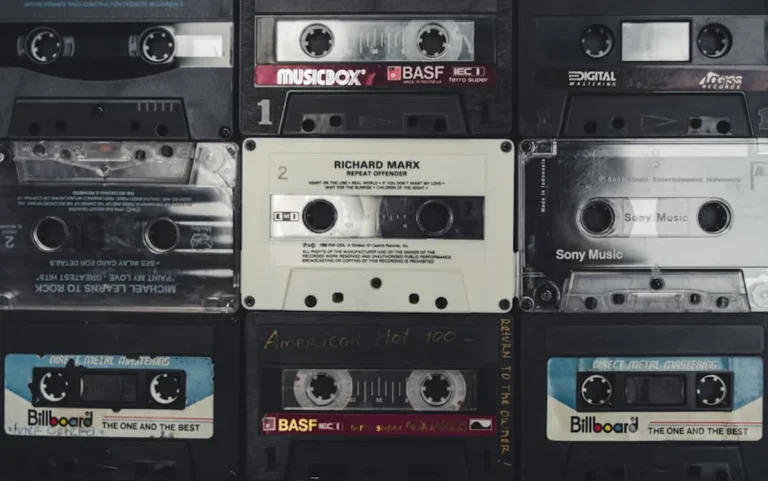
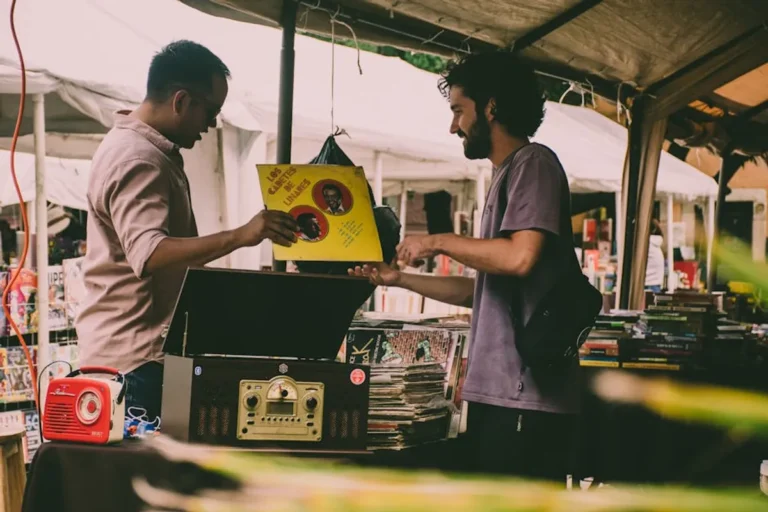
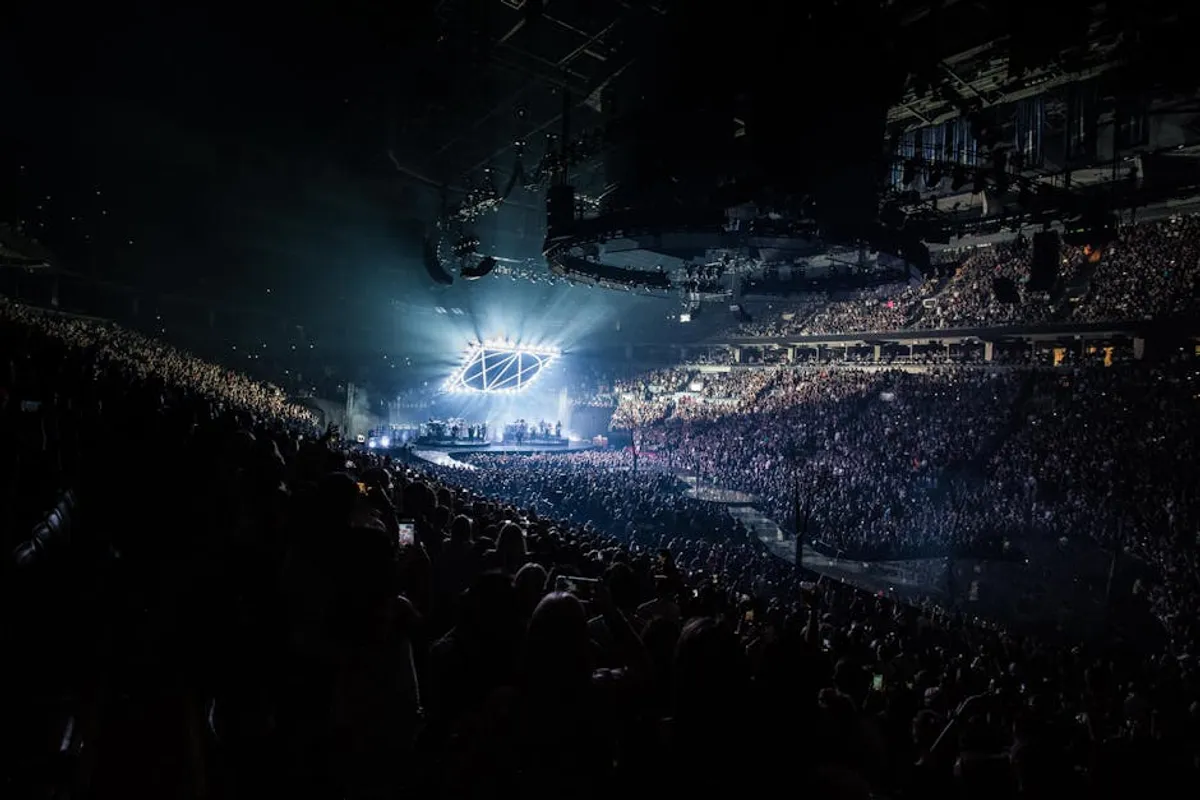
Historically, fan culture revolved around physical artifacts, live events, and nascent communication channels. Fans collected records, attended shows, and exchanged newsletters. The digital age has digitized and democratized these interactions. Online forums, social media platforms, dedicated apps, and streaming services have become the new common grounds. This shift has lowered barriers to entry for participation, allowing fans from disparate geographical locations to converge and build communities around shared musical interests.
Characteristics of Modern Fan Engagement
Today's music fan engagement is characterized by its immediacy, interactivity, and participatory nature. It extends beyond passive consumption to active creation and advocacy. Key characteristics include:
- User-Generated Content (UGC): Fans create everything from lyric videos and cover songs to fan art, remixes, and elaborate theories about album meanings, often acting as unpaid content creators and promoters.
- Direct Communication: Social media enables direct, often unfiltered, interaction between artists and fans, fostering a sense of intimacy and mutual recognition previously unattainable at scale.
- Niche Community Building: Specialized forums, Discord servers, and private social media groups allow for deep dives into specific artists, genres, or subcultures, creating highly engaged, loyal segments.
- Active Advocacy: Fans frequently mobilize to promote new releases, defend artists from criticism, organize streaming parties, and influence chart performance through coordinated efforts.
- Experiential Consumption: Beyond listening, fans seek immersive experiences, whether through virtual concerts, interactive album rollouts, or augmented reality filters.
Commercial Value Proposition of Fan Communities
For businesses and artists, music fan culture offers a unique commercial advantage by transforming passive consumers into active stakeholders and brand ambassadors. This translates into tangible economic and strategic benefits.
Direct Engagement and Loyalty Building
Engaged fan communities represent a highly receptive audience for new content, merchandise, and experiences. Their loyalty often transcends individual releases, fostering a long-term relationship that is less susceptible to market fluctuations or fleeting trends. This direct connection reduces customer acquisition costs and increases lifetime value, as loyal fans are more likely to make repeat purchases and remain subscribed to artist or brand channels.
Content Co-creation and Amplification
Fan-generated content acts as a powerful, authentic marketing tool. When fans create and share content related to an artist or brand, it often carries more credibility than traditional advertising. This organic amplification extends reach significantly, introducing new audiences to the artist or product through trusted peer recommendations. Furthermore, monitoring UGC provides valuable insights into audience preferences and emerging trends, informing future content and product development.
Data Insights and Market Signals
Fan communities are rich sources of qualitative and quantitative data. Analyzing discussions, sentiment, and engagement patterns within these groups can provide invaluable market intelligence. This includes early indicators of popularity, specific product desires (e.g., specific merchandise designs or re-releases), and feedback on new material. This direct line to consumer sentiment allows for agile adjustments in marketing campaigns, product offerings, and even artistic direction, ensuring relevance and resonance.
Pro Tip: Genuine engagement with fan communities requires authenticity. Attempts to merely extract commercial value without contributing to the community's shared passion or respecting its norms are often met with cynicism and can backfire. Focus on providing value, listening actively, and participating transparently to build trust and long-term relationships.
Strategies for Engaging Music Fan Bases
Effective engagement with music fan bases requires a strategic approach that prioritizes authenticity, value, and community participation over purely transactional interactions.
Authenticity and Niche Focus
Brands and artists must identify and respect the specific cultural codes and values of their target fan bases. Generic marketing messages rarely resonate. Instead, tailor content and communication to speak directly to the shared interests and inside jokes of the community. Focusing on niche sub-genres or specific artist eras can yield higher engagement than broad-stroke campaigns, as it demonstrates a deeper understanding of fan identity.
Platform-Specific Engagement Tactics
Different platforms foster different types of fan interaction. A strategy must account for these nuances:
- Social Media (e.g., X, Instagram, TikTok): Ideal for quick updates, behind-the-scenes content, Q&As, and short-form video challenges that encourage fan participation.
- Forums/Discord: Best for deep discussions, collaborative projects, and building highly dedicated, niche communities.
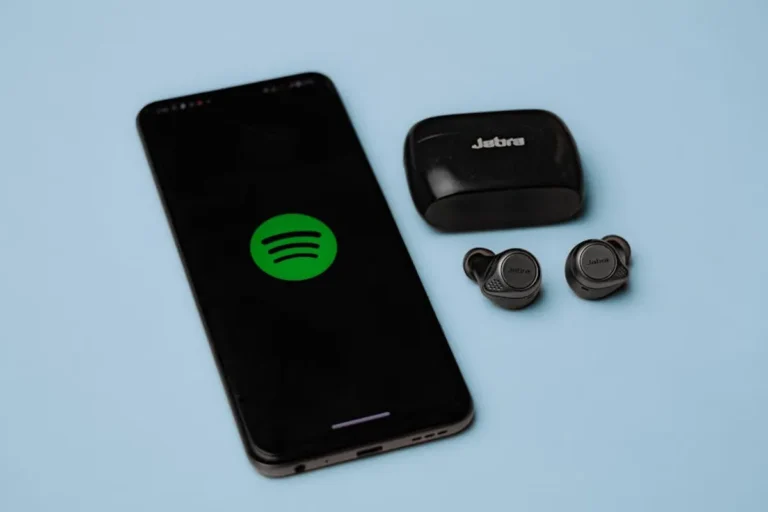
- Streaming Platforms (e.g., Spotify, Apple Music): Leverage curated playlists, exclusive audio content, and interactive listening parties.
- YouTube: Essential for music videos, live performances, tutorials, and longer-form fan-created content.
- Patreon/Bandcamp: Platforms for direct fan support, offering exclusive content, early access, and direct interaction for paying subscribers.
Monetization Pathways Beyond Traditional Sales
While album sales and concert tickets remain vital, fan culture opens diverse monetization avenues:
Best for: Direct Artist Support
- Exclusive Content: Offering unreleased tracks, demos, or behind-the-scenes access through subscription services or fan clubs.
- Limited Edition Merchandise: Tapping into collector culture with unique, scarce items that hold higher perceived value.
- Experiential Offerings: VIP meet-and-greets, private listening sessions, or personalized messages that provide unique fan experiences.
- Crowdfunding/Patronage: Directly funding projects or supporting artists through platforms where fans become patrons.
The Enduring Impact on Brand Strategy
Music fan culture's enduring relevance stems from its capacity to build resilient, passionate communities around a shared identity. For any brand or artist, this translates into a powerful, self-sustaining ecosystem that can weather market shifts and build lasting equity. Fan bases provide a constant source of feedback, inspiration, and advocacy, cementing an artist's legacy or a brand's cultural footprint far beyond the lifespan of any single product or campaign. This deep-seated connection fosters a sense of ownership among fans, making them integral to the narrative and success of what they support.
Cultivating Community for Lasting Impact
Engaging with music fan culture is not a fleeting trend but a fundamental aspect of building a sustainable presence in the creative economy. By understanding the motivations, behaviors, and platforms of these communities, marketers and content creators can unlock unparalleled opportunities for authentic connection, organic growth, and direct monetization. The focus must shift from merely broadcasting messages to fostering genuine dialogue and co-creation, recognizing that the most powerful advocates are often those who feel most deeply connected.
Frequently Asked Questions
How does fan culture differ from general audience engagement?
Fan culture implies a deeper, more emotional, and often identity-forming connection to an artist or genre, leading to higher loyalty, active participation, and advocacy beyond casual consumption.
What are the key metrics for measuring fan engagement?
Key metrics include user-generated content volume, social media mentions and shares, forum activity, direct-to-fan sales conversions, repeat purchases, and retention rates for subscription services.
Can small artists or niche genres benefit from fan culture strategies?
Absolutely. Niche artists and genres often have highly dedicated, albeit smaller, fan bases. Engaging these communities deeply can create a strong, loyal core audience that provides stable support and organic growth.
What are the risks of engaging with fan communities?
Risks include misinterpreting community norms, appearing inauthentic, or over-monetizing without reciprocal value. Disregarding fan feedback or appearing exploitative can quickly erode trust and loyalty.