The intersection of music and local culture offers a distinct, often underutilized, avenue for digital marketers, content strategists, and local businesses seeking authentic audience engagement and SEO differentiation. In a digital landscape saturated with generalized content, tapping into the unique sonic identity of a place provides a potent mechanism for building community, enhancing brand relevance, and capturing highly specific search intent. This approach moves beyond broad demographic targeting, focusing instead on the cultural fabric that defines a community, providing a rich, inexhaustible source of unique content and connection.
Defining Local Music Ecosystems
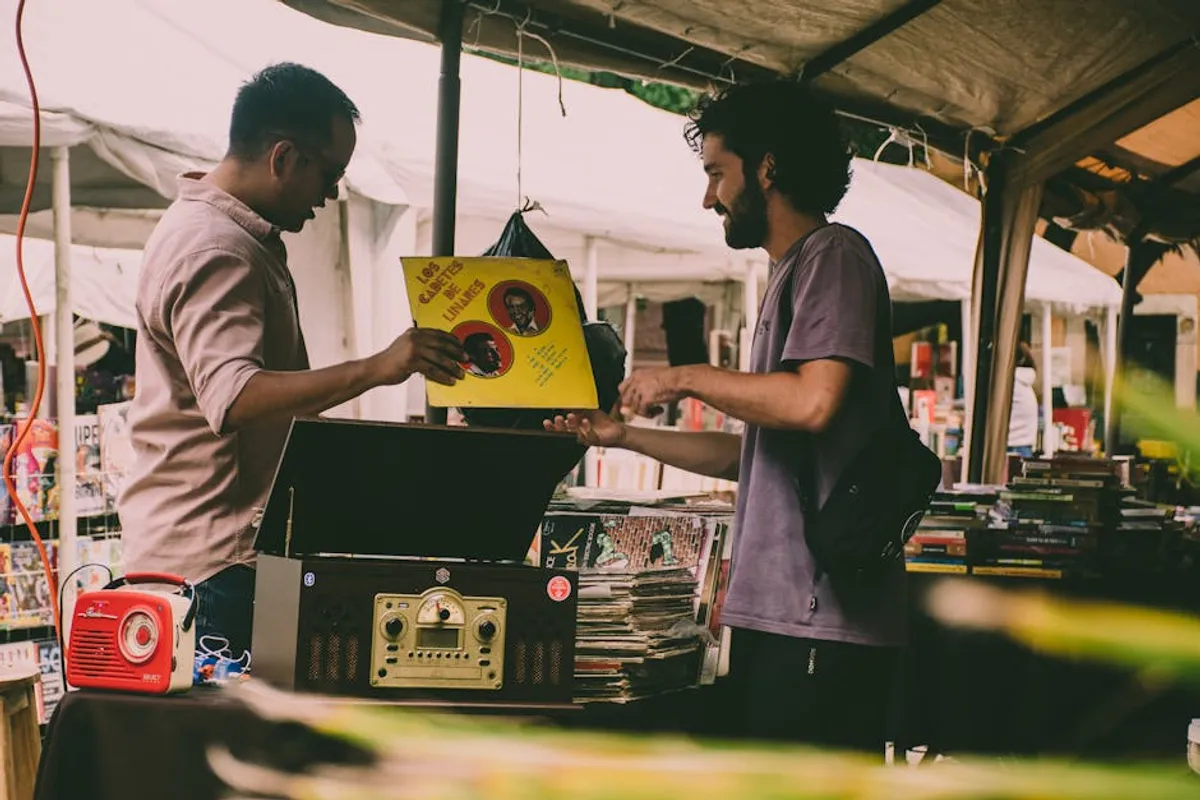
A local music ecosystem extends beyond just bands playing in bars; it encompasses a complex network of artists, venues, promoters, record labels, instrument shops, music schools, community radio stations, and even specific sub-genres or styles unique to a geographic area. These elements coalesce to form a distinct cultural identifier. Understanding this ecosystem means recognizing its key players, its historical trajectory, and its current pulse. For marketers, this represents a pre-existing, passionate audience segment deeply invested in their local scene, offering a direct channel for authentic engagement rather than manufactured interest.
Content Opportunities in Local Soundscapes
The narratives embedded within a local music scene are rich, varied, and inherently shareable, providing a foundation for diverse content strategies.
Storytelling and Niche Content Creation
Interviewing local musicians, venue owners, or sound engineers provides exclusive, human-centric narratives that resonate with local audiences and offer unique long-tail keyword opportunities. Documenting the history of a beloved local venue, exploring the evolution of a regional genre, or profiling emerging artists creates content that is both original and deeply relevant to a specific community. This type of content builds authority and trust within that niche.
Event Promotion and Coverage
Collaborating with local festivals, concert series, or open mic nights provides immediate, time-sensitive content. Pre-event promotions, live coverage (photos, short videos), and post-event recaps generate consistent engagement. This also establishes a brand as a supporter of local culture, fostering goodwill and organic reach within the community. For local businesses, sponsoring these events can offer direct brand visibility to a targeted, engaged audience.
User-Generated Content and Community Building
Encouraging local music fans to share their concert experiences, favorite local artists, or personal stories related to the scene generates authentic user-generated content (UGC). This not only provides social proof but also amplifies reach through organic shares and mentions. Running local music-themed contests or polls further stimulates interaction and community participation.
Types of content derived from local music:
- Artist profiles and interviews
- Venue histories and architectural features
- Local genre deep-dives and historical analyses
- Festival and event guides
- Behind-the-scenes looks at recording studios or instrument makers
- Playlists featuring local artists
- Community spotlights on music educators or non-profits
Leveraging Local Music for Place Branding and SEO
Integrating local music into a content strategy directly impacts a brand's local search visibility and overall place branding efforts.
Geographic Relevance and Local SEO Signals
Content rich with specific local artist names, venue locations, and event dates naturally signals geographic relevance to search engines. This helps businesses rank for local queries, particularly those combining cultural interests with location (e.g., "live music [city name]", "[genre] venues [neighborhood]"). Consistent coverage builds local authority and improves visibility in local pack results.
Unique Value Proposition
For destinations, tourism boards, or even real estate developers, highlighting a vibrant local music scene creates a unique selling proposition. It moves beyond generic attractions, showcasing the authentic cultural heartbeat of a place. This differentiation attracts visitors and residents who value cultural richness, contributing to a stronger, more distinctive place brand.
Local Link Building and Partnerships
Engaging with local music entities opens doors for valuable link-building opportunities. Collaborating with local venues for joint promotions, featuring local artists with backlinks to their sites, or sponsoring a community music program can earn high-quality, geographically relevant backlinks. These links improve domain authority and drive targeted referral traffic.
Pro Tip: Authenticity is Non-Negotiable
When engaging with local music and culture, ensure your efforts are genuinely supportive and additive, not merely extractive. Superficial or opportunistic involvement is quickly identified and can damage brand reputation. Focus on long-term relationships and genuine community contribution to build trust and lasting impact.
Digital Documentation and Archiving Strategies
Beyond immediate promotional benefits, local music offers a valuable subject for digital preservation and archiving, which in turn generates evergreen content and historical SEO value.
Building Digital Hubs
Creating dedicated sections on a website or a standalone micro-site to document local music history, artist discographies, or venue timelines establishes a valuable digital resource. This positions the content creator as an authority and hub for local cultural information, attracting researchers, enthusiasts, and new audiences over time.
SEO for Historical and Niche Content
Archival content, optimized for specific historical figures, defunct venues, or niche local genres, can capture long-tail search queries that have less competition but high intent. These pages become valuable assets that continue to draw organic traffic years after publication, contributing to sustained visibility and authority.
Practical Steps for Engagement
To effectively integrate local music and culture into a digital strategy, consider these actionable steps:
- Research and Identify: Map out the key artists, venues, promoters, and cultural organizations in your target locale. Understand their history, reach, and audience.
- Attend and Observe: Regularly attend local shows, festivals, and music-related community events. This provides firsthand insight and helps identify authentic opportunities for involvement.
- Build Relationships: Connect with local musicians, venue owners, and community leaders. Offer genuine support before seeking promotional opportunities.
- Develop a Content Calendar: Plan interviews, event coverage, and historical pieces. Incorporate local music themes into your broader content strategy.
- Optimize for Local: Ensure all content is optimized with local keywords, geographic tags, and schema markup where appropriate.
- Measure Impact: Track engagement metrics, local search rankings, and referral traffic to assess the effectiveness of your efforts.
Strategic Integration for Lasting Impact
Engaging with local music and culture is not a one-off campaign but an ongoing strategy for building deep, authentic connections. By consistently contributing to and documenting the local soundscape, businesses and content creators can cultivate a unique brand identity, establish themselves as trusted community partners, and unlock significant, sustainable advantages in local SEO and audience engagement. This approach transforms a marketing effort into a meaningful cultural contribution, yielding both commercial returns and enduring community goodwill.
Frequently Asked Questions
How does local music content benefit local SEO?
Local music content inherently includes geographic keywords, venue names, and local artist references, signaling strong local relevance to search engines. This helps improve rankings for location-specific queries and enhances visibility in local search results.
What types of businesses can best leverage local music for marketing?
Businesses with a strong local presence, such as restaurants, bars, hotels, retail shops, tourism boards, and real estate agencies, can significantly benefit. Any brand seeking to connect authentically with a specific community can find value.
Is it expensive to engage with local music scenes?
Engagement doesn't always require large budgets. Starting with interviews, event coverage, or sharing local artist content on social media are low-cost entry points. Sponsorships or partnerships can be scaled based on resources and objectives.
How can I ensure my brand's involvement is authentic?
Prioritize genuine support and collaboration over purely promotional tactics. Build relationships with local artists and venues, listen to their needs, and contribute in ways that genuinely benefit the community, such as providing resources, promotion, or direct financial support.