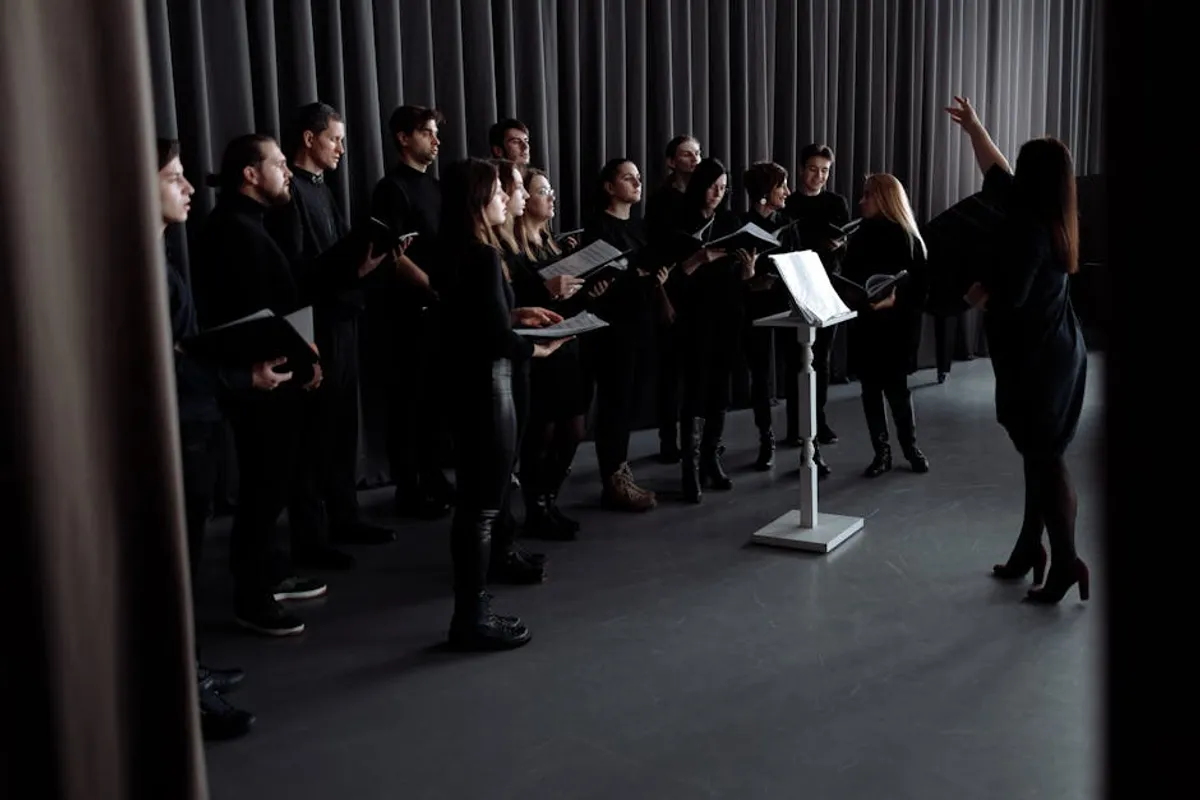
Promoting a choir performance involves more than simply announcing a date and time; it requires a strategic approach to audience development, compelling communication, and effective distribution channels. The objective extends beyond filling seats for a single event to cultivating a loyal following that anticipates future performances. Successfully promoting a choir performance means understanding your potential audience, crafting messages that resonate, and deploying those messages through the most impactful avenues.
Developing Your Promotional Narrative
Before any outreach begins, clarify what makes your specific performance distinct and appealing. This foundational work ensures all subsequent promotional efforts are coherent and impactful, guiding potential attendees from awareness to action.
Defining Your Performance's Unique Selling Proposition (USP)
Identify the core elements that differentiate this particular concert. Is it the repertoire – a seldom-performed masterwork, a contemporary premiere, or a themed collection of pieces? Is there a guest soloist, a unique venue, or a collaboration with another artistic group? Perhaps the choir itself has a compelling story, or the performance supports a local cause. Pinpointing these unique aspects allows you to build a narrative that transcends a generic "choir concert" announcement.
For example, promoting a performance of Handel's Messiah gains more traction by highlighting a specific guest soprano known for her interpretation, or by emphasizing the historical significance of the work within a local landmark venue. Without a clear USP, your promotion risks blending into the background noise of other local events.
Crafting Compelling Copy and Visuals
Your promotional materials must immediately capture attention and convey the essence of the performance. High-resolution photography or videography from rehearsals, past performances, or even conceptual imagery related to the music's theme are critical. These visuals should be paired with concise, evocative copy that speaks to the emotional experience of the music, rather than just listing program details.
Key elements for effective copy and visuals:
- Headline: Punchy and informative, summarizing the performance's appeal.
- Body Copy: Describes the emotional journey, highlights unique features (USP), and sets the tone.
- Call to Action (CTA): Clear, direct instructions (e.g., "Purchase Tickets Now," "Reserve Your Seat," "Learn More").
- High-Quality Imagery: Professional photos or short video clips that convey the choir's professionalism and the performance's atmosphere.
- Essential Information: Date, time, venue, ticket prices, and website link prominently displayed.
Digital Marketing Channels
Leveraging digital platforms is essential for reaching a broad audience efficiently and often with targeted precision. These channels allow for direct engagement and measurable results.
Social Media Engagement
Select platforms where your target audience is most active. Facebook remains valuable for community engagement, event promotion, and reaching older demographics. Instagram and TikTok are effective for visual storytelling, short-form video content, and engaging younger audiences. Share rehearsal snippets, behind-the-scenes glimpses, interviews with choir members or the conductor, and countdowns to the performance date. Utilize event features on Facebook to track interest and send reminders.
Consider a modest budget for paid social media campaigns. Platforms allow for precise targeting based on geographic location (e.g., within a 20-mile radius of the venue), interests (e.g., classical music, local arts, live performances), and demographics. This ensures your promotional spend reaches individuals most likely to attend.
Email Marketing
An email list of past attendees, supporters, and interested individuals represents one of your most valuable assets. These subscribers have already demonstrated an interest in your choir's activities. Use email campaigns to offer exclusive content, such as early access to ticket sales, behind-the-scenes stories, or special discounts. Segment your list to tailor messages, for example, sending specific updates to long-time supporters versus new inquiries.
Regular newsletters can maintain engagement between performances, featuring updates on the choir's activities, future plans, and community involvement. Each email should include a clear CTA to the ticketing page or performance information.
Local SEO and Online Event Listings
Ensure your performance details are discoverable through local search. If your venue has a Google My Business profile, update it with event information. Submit your performance to local online event calendars, arts council websites, and community news portals. Platforms like Eventbrite, Goldstar, and local newspaper event sections are crucial for visibility. Utilize schema markup on your website's event pages to help search engines understand and display your concert details more effectively in search results, often appearing as rich snippets.
Community and Traditional Outreach
While digital outreach is powerful, local partnerships and traditional media still play a vital role in building community presence and trust.
Local Partnerships and Cross-Promotion
Forge alliances with local businesses, such as coffee shops, bookstores, and restaurants, to display flyers, posters, or even offer ticket giveaways. Partnering with other local arts organizations, schools, or community centers can expand your reach to their respective audiences. Consider offering joint promotions or reciprocal advertising opportunities. For example, a local music store might promote your concert in exchange for a mention in your program or a special discount for their customers.
Public Relations and Media Engagement
Draft a professional press release highlighting the unique aspects of your performance and distribute it to local newspapers, community magazines, radio stations, and arts-focused blogs. Focus on the human-interest angle: the dedication of the singers, the story behind the music, or the impact the choir has on the community. Offer complimentary tickets to journalists and critics to encourage reviews and coverage. Follow up with media contacts to ensure they received the release and to answer any questions.
Pro Tip: Implement tiered pricing with early bird discounts. Offering a lower price for tickets purchased several weeks or months in advance creates urgency and rewards early commitment, generating initial sales momentum and providing valuable cash flow for further promotional activities. Clearly communicate the deadline for these discounted rates.
Optimizing for Conversion
Once potential attendees are interested, the process of purchasing tickets must be frictionless to prevent drop-offs.
Clear Ticketing Pathways
Your ticketing system must be intuitive and reliable. Utilize an established online ticketing platform that offers a streamlined purchase process, mobile compatibility, and multiple payment options. Ensure the link to purchase tickets is prominent on all promotional materials and your website. Clearly display all ticket price tiers (e.g., adult, senior, student, child) and any associated fees upfront to avoid surprises.
Scarcity and Urgency Tactics
Strategically employ messaging that encourages prompt action. Phrases like "Limited Seats Available," "Tickets Selling Fast," or "Only X Days Left for Early Bird Pricing" can motivate undecided patrons. Only use these tactics if they are genuinely true; false urgency erodes trust. Update ticket availability messages periodically to reflect actual sales, reinforcing the idea that the event is in demand.
Sustaining Momentum: Post-Performance and Beyond
Promotion does not end when the curtain falls. Capture attendee information for future outreach, solicit feedback, and share highlights from the performance. Post photos, videos, and positive audience comments on social media and your website. Thank your audience, performers, and supporters. This ongoing engagement builds a loyal community, making future promotions more effective and reducing the effort required to fill seats.
Frequently Asked Questions
When should I begin promoting a choir performance?
Begin promotional efforts 8-12 weeks in advance for larger concerts or those requiring significant audience build-up. For smaller, more intimate events, 4-6 weeks might suffice. Early promotion allows time for messaging to circulate and for early bird ticket sales to generate momentum.
What are cost-effective ways to reach a wider audience?
Leverage free online event listings, community calendars, and organic social media content. Develop partnerships with local businesses and other arts organizations for cross-promotion. Sending targeted press releases to local media can also yield significant free exposure.
How can I encourage repeat attendance?
Build an email list and maintain regular communication with past attendees, offering exclusive content or early access to future ticket sales. Provide an exceptional performance experience and ensure smooth ticketing and venue logistics. Collect feedback to continuously improve.
Is it necessary to use paid advertising for local choir events?
While not always strictly necessary, paid advertising, particularly on social media, can be highly effective for reaching new audiences and driving ticket sales by targeting specific demographics and interests within your local area. Even a small, well-targeted budget can yield significant returns.