
Music festivals, often perceived primarily as entertainment events, function as significant catalysts for local cultural development and preservation. Their impact extends beyond temporary amusement, deeply influencing a region's economic landscape, social fabric, and collective identity. Understanding this dynamic is crucial for organizers, local governments, and community stakeholders aiming to maximize benefits and ensure sustainable integration.
Economic Impact Beyond Temporary Revenue
The financial contributions of music festivals are multi-faceted, reaching far beyond direct ticket sales or vendor fees. These events inject capital into local economies through various channels, creating both immediate and long-term economic shifts.
Boosting Local Businesses
Festivals generate substantial demand for local goods and services. Accommodation providers, restaurants, bars, and retail stores experience increased patronage during festival periods. Local transport services, from taxis to shuttle operators, see a surge in activity. This influx of visitors often leads to higher sales volumes for small businesses that might otherwise struggle during off-peak seasons, providing crucial revenue streams and supporting local entrepreneurship. For instance, a festival requiring specialized equipment might contract local rental companies, or a food vendor might source ingredients from regional farms, reinforcing local supply chains.
Job Creation and Skills Development
Producing a music festival requires a diverse workforce, leading to both temporary and, in some cases, permanent job creation. Roles range from event management and security to stagehands, sound engineers, catering staff, and cleaning crews. These opportunities often employ local residents, providing income and valuable experience. Furthermore, volunteers gain organizational and operational skills, which can be transferable to other industries. This skills development contributes to the human capital of the region, fostering a more capable and engaged local workforce.
Fostering Community Cohesion and Identity
Beyond economic metrics, festivals are powerful tools for strengthening community bonds and defining local identity. They create shared experiences that resonate through generations, contributing to a sense of place and belonging.
Shared Experiences and Collective Memory
Festivals provide a common ground for residents to interact, celebrate, and create shared memories. These collective experiences often become part of local folklore and tradition, reinforcing community ties. The anticipation, participation, and reflection associated with recurring festivals build a narrative that is unique to that locale. This shared history can enhance civic pride and encourage continued community engagement, as residents become invested in the perpetuation of these cultural events.
Showcasing Local Talent and Artisans
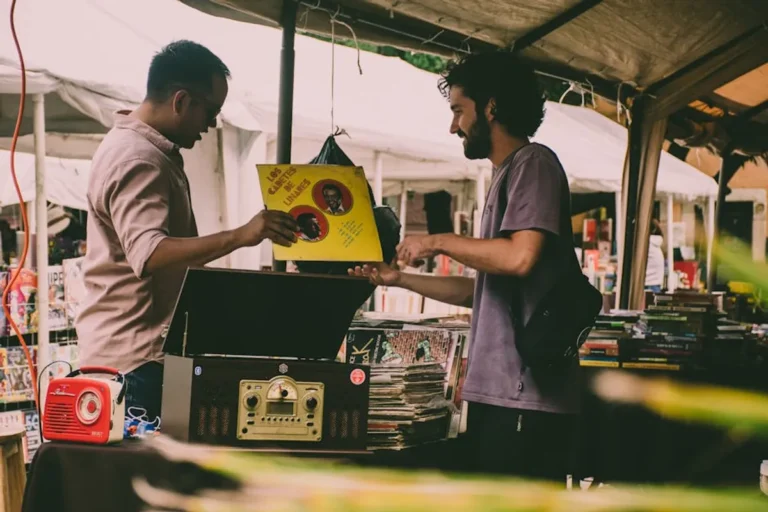
Many festivals actively integrate local artists, musicians, craftspeople, and food vendors into their programming. This provides a vital platform for regional talent to gain exposure, both to local audiences and to visitors from outside the area. It validates local cultural expressions and offers economic opportunities for creative professionals. By featuring local culinary traditions or unique artisanal products, festivals help preserve and promote indigenous culture, distinguishing the region from others and attracting visitors seeking authentic experiences.
Cultural Exchange and Tourism
Festivals are significant drivers of tourism, drawing visitors who might not otherwise engage with a specific locale. This influx of external interest facilitates cultural exchange and can position a region on a broader cultural map.
Attracting Visitors and Investment
A well-regarded music festival can become a major tourist attraction, bringing in visitors who spend money not only on the event itself but also on accommodation, food, transportation, and other local attractions. This tourism revenue can be substantial, supporting local businesses and generating tax income for municipalities. Successful festivals can also attract further investment in local infrastructure and cultural initiatives, as regions recognize the economic potential of their cultural assets.
Cultural Exchange and Soft Diplomacy
When visitors from diverse backgrounds attend a local festival, they are exposed to the unique cultural nuances of the host community. This interaction can challenge preconceptions, foster understanding, and build connections. Similarly, local residents gain exposure to different artistic styles and perspectives brought by national and international performers. This two-way cultural exchange acts as a form of soft diplomacy, enhancing a region's reputation and fostering a more open, interconnected community.
Urban Development and Infrastructure Improvement
The demands of hosting large-scale events can spur necessary investments in public spaces and urban infrastructure, leading to long-term community benefits.
Revitalization of Public Spaces
Festival sites, whether parks, abandoned industrial areas, or town squares, often undergo significant improvements to accommodate attendees. This can include landscaping, improved accessibility, sanitation upgrades, and the installation of permanent facilities. These revitalized spaces remain for community use long after the festival concludes, enhancing the quality of life for residents and providing new venues for other public events.
Infrastructure Upgrades
To manage increased traffic, waste, and utility demands, local governments may invest in upgrading roads, public transport networks, waste management systems, and power grids. While these improvements are often driven by festival needs, their benefits extend to the entire community, improving daily living and supporting future development. The push for better infrastructure can accelerate projects that might otherwise face delays, using the festival as a concrete deadline and justification for investment.
Pro Tip: To maximize local cultural benefit, festival organizers should establish formal partnerships with community groups, local government, and educational institutions from the initial planning stages. This ensures the festival's programming reflects local interests, provides direct opportunities for residents, and mitigates potential negative impacts like gentrification or environmental strain. Genuine community buy-in transforms a temporary event into a sustainable cultural asset.
Ensuring Sustainable Cultural Impact
While the benefits are clear, ensuring a festival's positive impact on local culture requires thoughtful planning and ongoing management. Addressing potential challenges is key to long-term success.
- Environmental Stewardship: Implement robust waste reduction programs, promote public transport, and utilize renewable energy sources to minimize ecological footprint.
- Local Economic Integration: Prioritize local vendors, suppliers, and labor. Establish clear procurement policies that favor businesses within the host community.
- Community Engagement: Create accessible entry points for local artists, performers, and volunteers. Offer discounted tickets or free entry for local residents to foster inclusivity.
- Cultural Preservation: Incorporate and celebrate local traditions, languages, and historical narratives into the festival's theme and activities, avoiding cultural appropriation.
- Impact Monitoring: Conduct post-festival assessments to measure economic, social, and environmental effects, using data to inform future planning and address community concerns.
Cultivating Lasting Local Value
Music festivals are more than transient spectacles; they are complex cultural interventions with the power to reshape and enrich local communities. By understanding their multifaceted contributions—from economic stimulus and job creation to fostering shared identity and driving urban development—stakeholders can strategically leverage these events. Intentional planning, deep community engagement, and a commitment to sustainability are essential to transform a temporary gathering into a lasting cultural legacy that benefits all residents.
Frequently Asked Questions
How do music festivals contribute to local economies?
Music festivals boost local economies by increasing demand for hotels, restaurants, retail, and transport services. They create temporary and permanent jobs, support local vendors and artisans, and generate tax revenue for municipalities.
What role do festivals play in shaping community identity?
Festivals foster community identity by creating shared experiences and collective memories, celebrating local traditions, and providing platforms for regional artists and cultural expressions. This reinforces civic pride and a unique sense of place.
Can music festivals have negative impacts on local culture?
Yes, potential negative impacts include increased noise and waste, traffic congestion, strain on local resources, and in some cases, concerns about gentrification or displacement if not managed thoughtfully. Responsible planning and community engagement are crucial.
How can local communities maximize the benefits from hosting a festival?
Communities can maximize benefits by actively collaborating with festival organizers, prioritizing local businesses and talent, investing in infrastructure that serves both the festival and residents, and implementing sustainable practices that minimize environmental and social disruption.