
Navigating a festival lineup guide requires more than just scanning headliners. For fans, these guides are the critical blueprint for an entire weekend, dictating everything from personal scheduling to potential costs and overall enjoyment. A detailed review of the lineup and associated information can prevent missed performances, unnecessary expenses, and logistical frustrations, transforming a good festival experience into an exceptional one.
Verifying Core Schedule Details
The primary function of a lineup guide is to present which artists are playing and when. However, the initial announcement is often a preliminary release. Fans must check for updates and cross-reference information. Official festival websites and dedicated mobile apps are the most reliable sources for real-time changes. Always refer to official festival websites and apps for the most current information.
- Set Time Conflicts: Identify clashes between must-see acts. Prioritize based on personal preference, stage proximity, and travel time between stages.
- Stage Assignments: Note the specific stage for each artist. Larger festivals often have multiple stages spread across significant distances, impacting transit time.
- Artist Availability: Confirm all listed artists are still performing. Last-minute cancellations or additions are common, and official channels will typically announce these promptly.
- Special Performances: Look for unique collaborations, guest appearances, or album play-throughs that might only be available at specific times or stages.
Logistical Information Embedded in Schedules
Beyond artist times, lineup guides frequently contain crucial operational details that directly affect a fan's day.
Entry and Re-entry Policies: Understand when gates open and close daily. Clarify if re-entry is permitted, as this impacts planning for meals outside the grounds or retrieving items from a car or accommodation.
Bag Policy and Prohibited Items: Many festivals enforce strict rules regarding bag size and contents. Checking this in advance prevents delays at security checkpoints or the need to discard prohibited items.
Accessibility Information: For attendees with specific needs, consult the guide for details on accessible viewing areas, transportation, and restroom facilities. This information is often integrated into the general logistics section or linked separately.
Pro Tip: Do not rely solely on third-party aggregators or social media posts for set times. Always verify information directly against the official festival website or its dedicated mobile application. Unofficial sources can be outdated or inaccurate, leading to missed performances.
Exploring Beyond Headliners
While headliners draw crowds, many festival-goers seek to discover new music or experience niche genres. A thorough review of the lineup guide facilitates this exploration.
Emerging Artists and Smaller Acts: Dedicate time to research artists listed earlier in the day or on smaller stages. Many festivals curate these slots with rising talent that can provide unexpected highlights.
Genre Specifics: For multi-genre festivals, identify specific stages or time blocks dedicated to particular musical styles. This allows for focused listening and discovery within preferred genres.
Local Talent Showcases: Some festivals feature local bands or artists. These can offer a unique cultural experience tied to the festival's location.
Practical Planning and Tools
Once the lineup guide is thoroughly reviewed, effective planning becomes essential to maximize the festival experience.
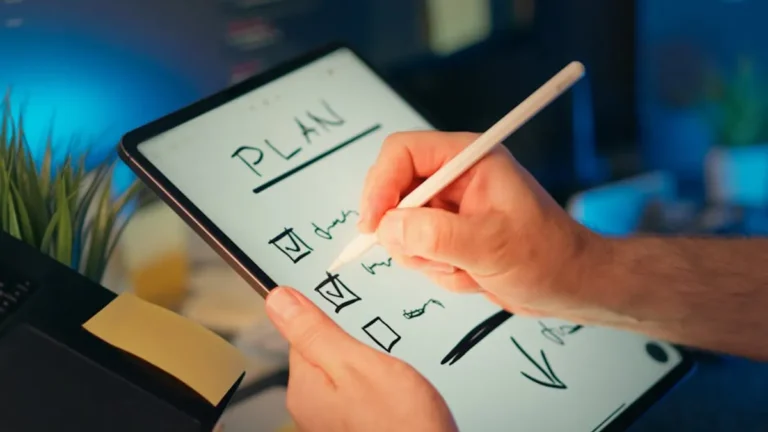
Personalized Schedule Creation: Use the official festival app's scheduling feature, or create a custom spreadsheet or note to map out your day. Factor in walking times between stages and breaks for food, water, and restrooms.
Travel and Accommodation Integration: Consider how set times, particularly late-night performances, align with public transport schedules, ride-share availability, or walking distances to accommodation. This can influence whether to stay for a final act or depart early to avoid crowds.
Budgeting for On-Site Purchases: While not directly in the lineup, understanding the schedule helps predict how long you'll be on-site and thus how many meals, drinks, or merchandise purchases you might make. Longer days with many desired acts mean more time inside the venue, potentially increasing incidental spending.
Optimizing Your Festival Experience
A comprehensive review of the festival lineup guide is an investment in a smoother, more enjoyable experience. By meticulously checking set times, stage locations, artist updates, and logistical details, fans can create a personalized itinerary that aligns with their priorities. This proactive approach minimizes stress and maximizes opportunities for discovery and enjoyment, ensuring that every moment spent at the festival is intentional and fulfilling.
Frequently Asked Questions
How often do festival lineups change after the initial announcement?
Changes can occur frequently, especially in the weeks leading up to the event. Factors include artist cancellations, logistical issues, or even last-minute additions. Always check official sources regularly.
What is the best way to keep track of my personalized schedule during the festival?
Most major festivals offer a dedicated mobile app with customizable schedule features and real-time updates. Alternatively, a printed schedule or a note on your phone can serve as a reliable backup, especially if phone battery or signal is an issue.
Should I plan my entire day around the lineup, or allow for spontaneity?
A balanced approach is often best. Prioritize your top 3-5 must-see artists each day, but leave gaps for exploring new stages, discovering unexpected acts, or simply taking breaks. Over-scheduling can lead to exhaustion and missed opportunities.
Are there specific sections of a lineup guide I should prioritize if I'm short on time?
Focus on the main schedule grid for set times and stage locations. Then, quickly scan for any "Important Information," "FAQ," or "Know Before You Go" sections, as these often contain critical logistical details like entry rules and prohibited items.