
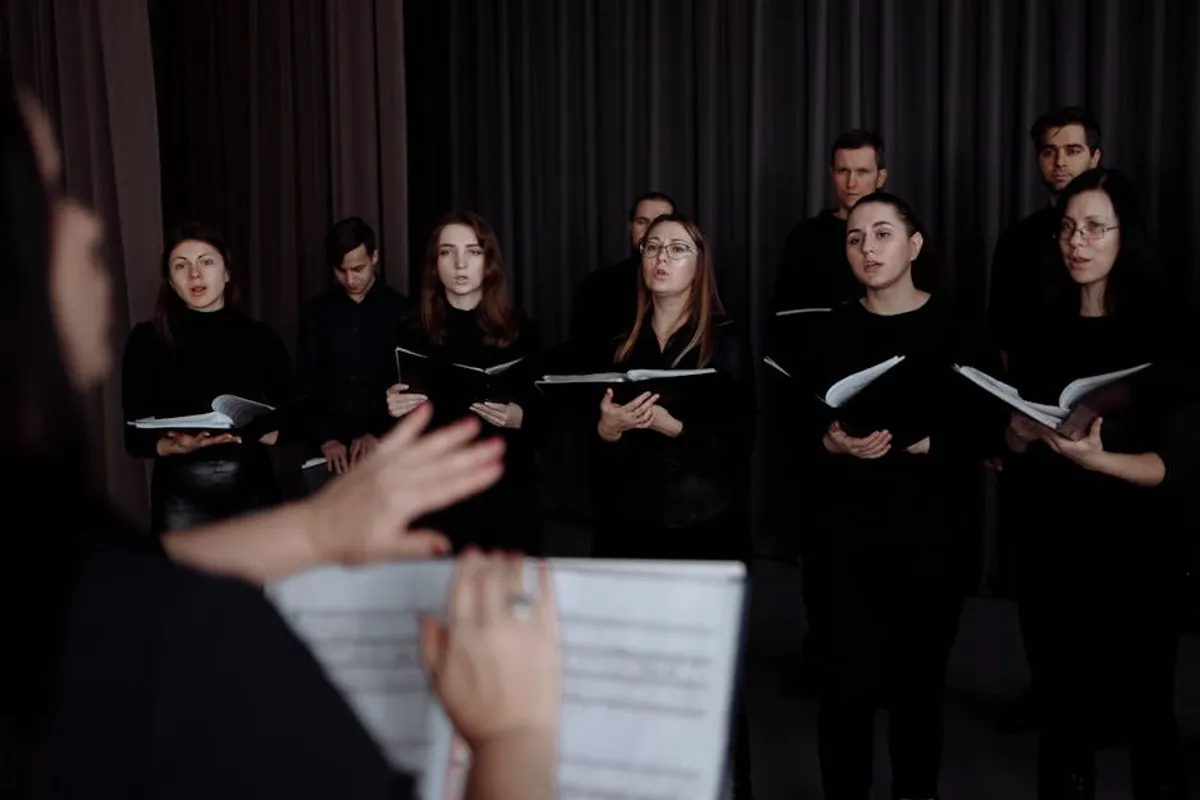
Approaching a choir audition requires more than just a good voice; it demands strategic preparation and a clear understanding of what adjudicators seek. This isn't merely a test of vocal ability, but an assessment of musicality, adaptability, and how well you might integrate into a specific ensemble's sound. Successful candidates demonstrate not only their technical prowess but also their potential for growth and collaborative spirit. Effective preparation focuses on mitigating common pitfalls and amplifying individual strengths, ensuring you present a polished, confident performance that resonates with the audition panel. This strategic approach includes carefully choosing the right song for your audition, ensuring it showcases your strengths effectively.
Deconstructing the Audition Process
Choir auditions typically follow a structured format designed to evaluate a range of musical skills. While specific requirements vary by ensemble, understanding the common components allows for targeted preparation. Most auditions assess vocal range, tone quality, intonation, rhythmic accuracy, and the ability to follow directions.
Vocal Warm-ups and Technical Exercises
Auditions often begin with vocal warm-ups or technical exercises led by the director. These are not just to prepare your voice but also to assess your vocal flexibility, range, and ability to match pitch and dynamics on command. Expect exercises that explore your upper and lower registers, test agility with scales and arpeggios, and evaluate breath control through sustained tones. Directors observe how quickly you adapt to new melodies and rhythms, and your overall vocal health. Focus on demonstrating a consistent tone across your range and precise intonation.
Actionable tip: Practice common vocal exercises—major and minor scales, arpeggios, siren slides—daily to build muscle memory and vocal agility. Record yourself to identify areas needing improvement in pitch or breath support.
Sight-Reading Challenges
Sight-reading is a critical component for many choirs, particularly those performing complex or varied repertoire. This section evaluates your ability to interpret musical notation quickly and accurately, often with limited practice time. You might be asked to sing a short melodic line, a rhythmic passage, or even a simple hymn. The goal is not always perfection, but rather to see your approach to unfamiliar music, your rhythmic stability, and your ability to maintain your part within a harmonic context if multiple parts are presented.
Preparation focus: Regularly practice sight-reading exercises from various musical periods. Start with simpler melodies and gradually increase complexity. Use a metronome to develop a steady internal pulse, crucial for accurate rhythmic interpretation.
Prepared Piece Selection and Performance
The prepared piece is your opportunity to showcase your voice at its best, demonstrating your vocal quality, musicality, and interpretive skills. The choice of piece is strategic: it should highlight your strengths—be it range, tone, or emotional expression—and be within your current technical capabilities. Avoid pieces that push your limits or obscure your natural vocal timbre. Adjudicators look for a well-rehearsed performance that communicates musical understanding, not just technical execution. Pay attention to dynamics, phrasing, and text delivery.
- Repertoire suitability: Select a piece that fits the style and expected vocal demands of the choir you are auditioning for. A classical choir may prefer art songs or oratorio excerpts, while a contemporary ensemble might favor musical theatre or jazz standards.
- Technical mastery: Ensure you can perform the piece confidently without noticeable strain or technical errors. This includes accurate pitch, rhythm, and clear articulation.
- Musical expression: Convey the emotional content and meaning of the text. Show that you understand the piece beyond just the notes.
- Accompaniment: Confirm if you need to bring your own accompanist or if one will be provided. Rehearse with your accompanist multiple times to ensure seamless collaboration.
Aural Skills and Pitch Matching
Many auditions include ear tests to assess your ability to recognize and reproduce pitches and intervals. You might be asked to sing back a short melody played on a piano, identify intervals, or match a specific pitch. This demonstrates your innate musicality and your capacity to blend and maintain intonation within an ensemble.
Pro Tip: When faced with an unfamiliar melody during an ear test, focus on the first note and the direction of the melody. If you struggle with perfect recall, prioritize maintaining a steady pitch and rhythm over absolute accuracy on every single note. Adjudicators often value a consistent effort to match over a hesitant, broken attempt.
Strategic Preparation Tactics
Beyond the technical aspects, strategic preparation involves understanding the context of the audition and tailoring your approach accordingly.
Researching the Choir and Director
Before selecting your prepared piece or even deciding to audition, research the choir's history, repertoire, and performance style. Listen to recordings, read program notes, and if possible, attend a concert. Understand the director's musical preferences and the ensemble's typical sound. This insight helps you choose appropriate repertoire and tailor your presentation to align with their artistic vision. A director looking for a specific vocal color will be more receptive if your audition reflects that understanding.
Tailoring Your Repertoire
Your prepared piece should not only showcase your voice but also demonstrate your potential fit for the specific choir. If the choir specializes in early music, an a cappella madrigal might be more impactful than a bel canto aria. If it's a jazz choir, a piece demonstrating improvisation or specific stylistic nuances would be beneficial. Always have a backup piece ready, even if not explicitly requested, in case the director asks for an alternative or a contrasting style.
Consistent Practice Regimen
Effective preparation is built on consistent, structured practice. Daily short sessions (30-60 minutes) are more effective than infrequent, long ones. Incorporate vocal warm-ups, technical exercises, sight-reading practice, and focused work on your prepared piece. Record your practice sessions to objectively assess your progress and identify areas for improvement. Pay attention to intonation, breath support, diction, and musical phrasing.
Audition Day Execution
The audition itself is a performance, and how you manage yourself on the day can significantly influence the outcome.
Managing Nerves and Maintaining Poise
Nerves are a natural part of any performance situation. Develop strategies to manage them: deep breathing exercises, positive visualization, and arriving early to acclimate to the environment. Project confidence through your posture and demeanor, even if you feel nervous internally. A calm, collected presence suggests professionalism and control.
Presenting Your Best Self
Dress professionally and comfortably. Make eye contact with the adjudicators. Listen carefully to all instructions and ask clarifying questions if needed. Be polite and respectful. Your attitude and professionalism are as much a part of the assessment as your vocal ability. Demonstrate enthusiasm and a willingness to learn.
Practical Steps for Success
Successful choir auditions hinge on a blend of vocal preparedness, strategic thinking, and confident presentation. Start your preparation well in advance, giving yourself ample time to refine your technical skills and perfect your chosen repertoire. Seek feedback from trusted vocal coaches or experienced singers during your practice period. On audition day, focus on showcasing your unique voice and musicality, while also demonstrating your potential as a collaborative ensemble member. Remember that every audition is a learning experience, offering valuable insights regardless of the outcome.
Frequently Asked Questions
How long should my prepared piece be?
Typically, a prepared piece should be 1-3 minutes in length. Directors are looking for a concise demonstration of your vocal ability and musicality, not an entire performance. Choose a section that best showcases your voice.
What if I make a mistake during the audition?
If you make a mistake, acknowledge it internally but continue performing. Do not stop unless explicitly instructed to do so. Adjudicators are often more interested in how you recover and maintain musicality than in absolute perfection. Maintain your composure and focus on the next note.
Should I sing a cappella or with accompaniment?
Unless specifically requested to sing a cappella, always prepare your piece with accompaniment. This demonstrates your ability to sing with others and provides a fuller musical context for your voice. Confirm in advance if an accompanist will be provided or if you need to bring your own.
How can I prepare for an ear test if I have limited experience?
Practice exercises that involve singing back short melodies, identifying intervals, and matching pitches. Use online ear training apps or work with a musician friend. Start with simple intervals and progress to more complex melodies. Consistent practice is key to developing aural skills.