
Discovering new independent musicians requires a strategic approach beyond mainstream algorithms. The sheer volume of new releases makes it challenging to unearth artists who operate outside major label distribution and marketing channels. For listeners, the goal is often to find unique sounds, support emerging talent directly, and engage with music that resonates on a deeper, less commercialized level. For industry professionals, identifying these artists early can mean uncovering future trends, signing promising acts, or simply enriching a curated playlist or media platform with fresh, authentic voices. This guide outlines effective methods and platforms to cut through the noise and connect with the next wave of independent talent.
What to Look For in a Discovery Method
When seeking out independent musicians, consider several factors to optimize your search. A method's effectiveness hinges on its **curation quality**, whether human-driven or algorithmic, which dictates the relevance and diversity of recommendations. **Genre specificity** is crucial; platforms or communities focused on niche sounds will yield more targeted results than broad aggregators. Look for **artist-centric monetization models** that directly support creators, as this often indicates a platform's commitment to independent artists. **Community features** can enhance discovery by allowing peer-to-peer recommendations and direct artist interaction. Finally, **accessibility and ease of use** ensure a smooth experience, whether you're navigating a website, attending an event, or browsing a social feed.
1. Bandcamp's Curation & Community
Bandcamp serves as a direct-to-fan music store and community, distinguishing itself by allowing artists to set their own prices, offer physical merchandise, and retain a significant share of revenue (typically 80-85%). Its discovery mechanism is highly effective due to robust genre tagging, a dedicated editorial section ("Bandcamp Daily") highlighting new releases and features, and a strong community aspect where users can follow artists, labels, and other fans. This ecosystem fosters direct support and deep genre exploration, making it a primary destination for listeners seeking to invest in independent music.
Best For: Direct artist support, deep genre exploration, discovering niche and experimental music, purchasing physical media.
Pros:
- High artist revenue share fosters a thriving independent ecosystem.
- Extensive genre and sub-genre tagging for precise discovery.
- "Bandcamp Daily" editorial content provides curated recommendations and artist features.
- Fan community features allow following other users' collections and purchases.
- Offers high-quality audio formats and physical merchandise directly from artists.
Cons:
- Interface can feel less intuitive for casual browsing compared to major streaming services.
- Discovery often relies on knowing specific genres or following curators, rather than broad algorithmic recommendations.
- Limited mainstream appeal, meaning fewer chart-topping independent artists compared to niche acts.
Verdict: Essential for dedicated music enthusiasts and those committed to financially supporting independent artists directly. Its strength lies in its ethical model and rich, curated content for specific tastes.
2. SoundCloud's Open Platform
SoundCloud operates as an open audio platform where artists can upload tracks, podcasts, and mixes directly, often in their earliest stages of development. Its strength lies in its accessibility and low barrier to entry, making it a fertile ground for discovering raw, unsigned talent before they gain wider recognition. The platform's social features allow for direct comments on specific track timestamps, fostering a unique interactive experience. While it hosts a vast amount of content, including established artists, its core utility for discovery remains in unearthing emerging producers, vocalists, and experimental sound designers.
Best For: Early-stage discovery, finding emerging producers and DJs, experimental music, direct artist interaction.
Pros:
- Vast library of user-uploaded content, including demos, remixes, and unreleased tracks.
- Direct artist interaction through comments and messages.
- Strong community for electronic music, hip-hop, and experimental genres.
- "Related tracks" and "station" features can lead to serendipitous discoveries.
- Many artists use it as a primary platform for sharing new material first.
Cons:
- Content quality can be inconsistent due to the open upload policy.
- Algorithmic recommendations can sometimes be less refined than major streaming platforms.
- Monetization for artists has historically been less robust than other platforms, impacting artist retention.
Verdict: A crucial resource for those seeking to be at the forefront of new sounds and willing to sift through varied content. Its value is in its raw, unfiltered access to emerging creative output.
3. Niche Music Blogs & Webzines
Niche music blogs and webzines specialize in specific genres, scenes, or geographic regions, providing expertly curated content that major publications often overlook. These platforms typically feature reviews, interviews, premieres, and editorial pieces that offer context and critical analysis for new releases. Their value comes from human curation by passionate writers and editors who are deeply embedded in their respective music communities. Following a handful of these specialized outlets can provide a steady stream of highly relevant and vetted independent music recommendations.
Best For: Curated recommendations, critical analysis, genre-specific deep dives, discovering artists with strong editorial backing.
Pros:
- High-quality, human-curated selections often pre-vetting new artists.
- Provides critical context, artist interviews, and in-depth features.
- Specialization allows for discovery within very specific sub-genres.
- Often champions artists before they gain wider mainstream attention.
- Many offer exclusive premieres or early listens.
Cons:
- Discovery is dependent on the blog's editorial focus, potentially limiting breadth.
- Requires active reading and following multiple sources to cover diverse tastes.
- Some blogs have inconsistent update schedules or may cease publication.
Verdict: An indispensable method for serious music enthusiasts who value expert opinion and desire a deeper understanding of the artists they discover. It's about quality over sheer volume.
4. Reddit Music Communities
Reddit hosts a vast network of subreddits dedicated to virtually every music genre, sub-genre, and discovery method imaginable. Communities like r/indie, r/listentothis, r/futurebeats, or r/metal provide platforms for users to share new music, discuss artists, and engage in genre-specific discourse. The upvote/downvote system acts as a crowdsourced filtering mechanism, bringing popular and well-received tracks to the forefront. This user-driven approach allows for a democratic form of discovery, often surfacing artists through direct fan recommendations rather than algorithms or editorial gatekeepers.
Best For: Crowdsourced recommendations, niche genre discovery, direct interaction with fellow fans, uncovering viral independent tracks.
Pros:
- Extremely diverse range of genre-specific communities.
- User-driven recommendations can surface artists overlooked by traditional channels.
- Direct interaction with artists and other fans is common.
- Upvote system helps highlight popular and quality content within a community.
- Often hosts AMAs (Ask Me Anything) with independent artists.
Cons:
- Content quality can vary significantly between subreddits.
- Requires active participation and navigation to find the most valuable communities.
- Can be prone to echo chambers or specific community biases.
Verdict: Highly effective for those who enjoy community-driven discovery and are willing to engage in specific forums. It's a powerful tool for tapping into collective musical intelligence.
5. Curated Streaming Playlists (Spotify/Apple Music)
Major streaming platforms like Spotify and Apple Music employ a combination of sophisticated algorithms and human curators to generate playlists. While many focus on mainstream hits, there are numerous official and user-generated playlists dedicated specifically to independent, emerging, or niche artists. Spotify's "Discover Weekly" and "Release Radar" leverage individual listening habits, while editorial playlists like "Fresh Finds" or genre-specific indie lists are hand-picked. The scale of these platforms means independent artists who gain traction here can reach vast audiences, making these playlists critical discovery points.
Best For: Personalized algorithmic discovery, broad access to independent artists, background listening, finding artists within established genre frameworks.
Pros:
- Highly personalized recommendations based on listening history.
- Access to millions of tracks, including a significant independent catalog.
- Curated editorial playlists specifically highlight emerging and independent artists.
- Seamless integration into daily listening habits.
- Artists gain significant exposure if placed on popular playlists.
Cons:
- Artist compensation per stream is often very low, making it less direct support.
- Algorithmic bias can sometimes lead to an echo chamber, limiting truly novel discovery.
- Many independent artists struggle to gain initial traction without external promotion.
Verdict: Convenient and effective for passive discovery, especially for listeners who prioritize ease of access and personalized recommendations. While not direct support, it's a major gateway for many new artists.
6. Independent Online Radio Stations & Podcasts
Independent online radio stations (e.g., KEXP, NTS Radio, The Lot Radio) and music-focused podcasts offer a curated, human-driven approach to discovery. These platforms often feature passionate DJs and hosts who champion obscure, emerging, and independent artists across various genres. Unlike algorithms, these curators provide context, introduce listeners to new sounds they might not seek out otherwise, and often feature exclusive live sessions or interviews. This method taps into the expertise and taste of dedicated music enthusiasts.
Best For: Expert-curated selections, discovering artists with context, live sessions, exposure to diverse and experimental genres.
Pros:
- Human curation provides thoughtful, often surprising, recommendations.
- DJs and hosts often offer context and insights into the artists and music.
- Exposure to genres and artists not typically found on mainstream radio.
- Many stations feature live performances and interviews with independent artists.
- Can introduce listeners to entirely new scenes and sounds.
Cons:
- Discovery is limited to the station's or podcast's programming choices.
- Requires active listening or searching through archives.
- Finding the right station or podcast that aligns with your taste can take initial effort.
Verdict: An excellent method for those who trust expert curation and enjoy the serendipity of radio. It's a passive yet deeply enriching way to encounter new, independent voices.
7. YouTube Music Channels & Algorithm
YouTube serves as a massive repository for music videos, live performances, and audio-only uploads, making it a powerful discovery tool for independent artists. Beyond official artist channels, numerous independent music channels (e.g., "The Needle Drop," "Majestic Casual," "COLORSXSTUDIOS") curate and promote emerging talent, often with high-quality visual content. YouTube's recommendation algorithm, while sometimes criticized for its rabbit holes, can be incredibly effective at surfacing related independent artists once you've engaged with a few. Live sessions and acoustic performances also provide a direct, unvarnished look at an artist's talent.
Best For: Visual discovery, live performance footage, algorithmic exploration, finding artists with strong visual identities.
Pros:
- Vast library of music videos, live performances, and unofficial uploads.
- Independent music channels offer strong curation and promotion for emerging acts.
- Powerful recommendation algorithm can lead to extensive discovery once tuned.
- Allows for visual and auditory engagement, enhancing the discovery experience.
- Many artists use it as a primary platform for showcasing their work.
Cons:
- Content quality can be highly variable, from professional videos to raw phone recordings.
- The algorithm can sometimes lead to repetitive recommendations or off-topic content.
- Ad interruptions can detract from the listening experience without a premium subscription.
Verdict: A highly accessible and visually engaging method for discovery, particularly effective for those who appreciate the visual component of music and are comfortable navigating algorithmic recommendations.
8. TikTok's Viral Sound Trends
TikTok has rapidly emerged as a significant platform for independent music discovery, often driven by viral sound trends. A short snippet of an independent artist's song can gain immense traction, leading to millions of views, user-generated content, and subsequent streams on other platforms. This method is characterized by its unpredictable nature and rapid artist exposure, often bypassing traditional gatekeepers. While it's primarily about short-form video, the "For You Page" algorithm is adept at pushing new sounds to relevant audiences, making it a potent, albeit chaotic, discovery engine.
Best For: Rapid, viral discovery; uncovering artists through short-form video trends; reaching younger demographics; unexpected genre crossovers.
Pros:
- Offers unparalleled potential for rapid, widespread artist exposure.
- Algorithm excels at surfacing new sounds to specific user interests.
- Directly integrates music into user-generated content, fostering engagement.
- Breaks down traditional genre barriers through diverse content creation.
- Can launch independent artists into mainstream consciousness quickly.
Cons:
- Discovery is often driven by short snippets, not full songs or artistic depth.
- The viral nature can be fleeting, making sustained artist growth challenging.
- Requires navigating a platform primarily focused on video content.
- Artists need to adapt their music for short, attention-grabbing clips.
Verdict: An incredibly powerful, if volatile, platform for discovering independent artists through cultural trends. It's for those who embrace the ephemeral and often surprising nature of viral content.
9. Local Live Music Scenes & Venues
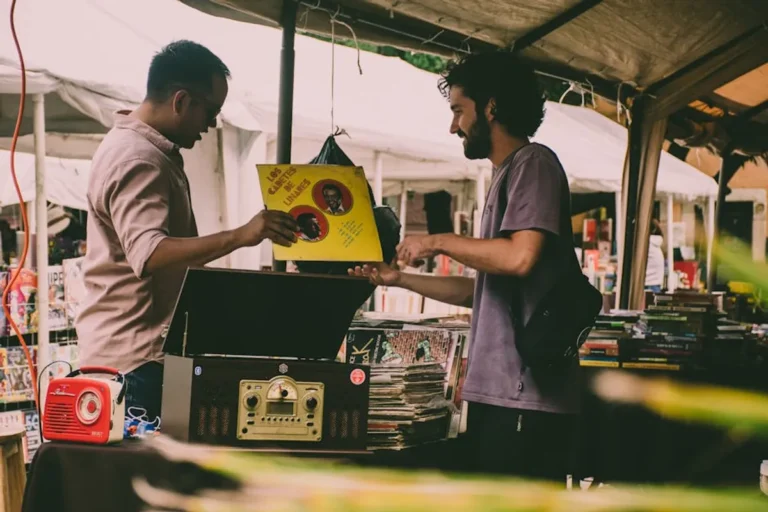
Attending local live music shows and exploring community venues remains one of the most authentic ways to discover independent musicians. This method offers a direct, immersive experience, allowing listeners to connect with artists and their music in a raw, unmediated setting. Local scenes often incubate talent, foster unique sounds, and provide a sense of community that digital platforms cannot replicate. Checking local venue calendars, community event listings, and independent music publications can reveal a wealth of emerging artists performing in your area.
Best For: Authentic, immersive discovery; supporting local artists directly; community engagement; experiencing music in its intended live format.
Pros:
- Directly supports artists through ticket and merchandise sales.
- Provides an immediate, visceral connection to the music and performance.
- Fosters a sense of local community and scene engagement.
- Opportunity to meet artists and other fans directly.
- Often features artists before they gain wider recognition.
Cons:
- Discovery is geographically limited to your local area.
- Requires time and financial investment to attend shows.
- Sound quality can vary significantly between venues.
- Less convenient than digital discovery methods.
Verdict: The most personal and impactful way to discover and support independent artists. Essential for those who value the live experience and community aspect of music.
10. Patreon & Artist Subscription Platforms
Platforms like Patreon, Buy Me a Coffee, or even artist-run subscription services allow fans to directly support independent musicians through recurring pledges or one-time donations. In return, patrons often receive exclusive content such as early access to new music, behind-the-scenes updates, demos, private live streams, or direct interaction with the artist. This model fosters a deeper, more intimate connection between artist and fan, making it a unique discovery method for those seeking to become active participants in an artist's journey rather than just passive listeners.
Best For: Direct artist support, exclusive content access, fostering deeper artist-fan relationships, discovering artists through their creative process.
Pros:
- Provides direct, sustainable financial support to independent artists.
- Offers exclusive content (demos, early releases, private Q&As) not available elsewhere.
- Fosters a strong sense of community and direct interaction with artists.
- Allows for discovery of artists based on their creative process and personality.
- Can reveal artists who thrive on direct community engagement.
Cons:
- Requires a financial commitment to access content.
- Discovery often relies on already knowing an artist or being referred.
- Interface can sometimes be less focused on broad discovery and more on existing fan engagement.
Verdict: Ideal for listeners who want to be active patrons and engage deeply with artists. It's less about broad discovery and more about nurturing a direct relationship with creators you value.
11. Music Festivals (Independent/Genre-Specific)
Smaller, independent, or genre-specific music festivals (e.g., Pitchfork Music Festival, SXSW for music, local folk festivals, DIY punk fests) are concentrated hubs for discovering emerging talent. Unlike large corporate festivals, these events often prioritize showcasing new and independent artists, providing a curated lineup that reflects a specific musical ethos. Attending such a festival allows for intensive discovery over a few days, exposing attendees to numerous artists they might not otherwise encounter, often in a vibrant, communal atmosphere.
Best For: Intensive, multi-artist discovery; experiencing a specific scene or genre; networking with other fans and industry professionals.
Pros:
- Concentrated exposure to a large number of independent artists in a short period.
- Curated lineups often highlight promising emerging talent.
- Opportunity to discover artists performing live in a festival setting.
- Strong community atmosphere with like-minded music enthusiasts.
- Often features artists before they become widely known.
Cons:
- Requires significant financial and time commitment (tickets, travel, accommodation).
- Discovery is limited to the festival's specific curation and lineup.
- Can be overwhelming due to multiple stages and scheduling conflicts.
Verdict: An excellent method for intensive discovery and immersion in a specific musical scene. It's a high-investment, high-reward approach for dedicated music explorers.
12. Social Media Artist Promotion & Hashtags (Instagram/X)
Social media platforms like Instagram and X (formerly Twitter) are crucial for independent artists to self-promote and interact directly with fans. By following specific genre hashtags (e.g., #indiemusic, #newmusicfriday, #unsignedartist), music discovery accounts, or even just exploring the "Explore" page, listeners can stumble upon new artists. Artists frequently share snippets of new tracks, behind-the-scenes content, and tour dates, making these platforms a dynamic, real-time source of information. Direct interaction with artists is also highly feasible here.
Best For: Real-time updates, direct artist interaction, visual artist content, discovering artists through community shares and hashtags.
Pros:
- Real-time updates on new releases, tours, and artist activities.
- Direct interaction with artists through comments and messages.
- Visual content (photos, short videos) provides a richer artist profile.
- Hashtag exploration can lead to unexpected discoveries.
- Many artists use these platforms as their primary promotional tool.
Cons:
- High volume of content requires active filtering to find relevant artists.
- Algorithms can prioritize popular content over truly independent acts.
- Engagement can be superficial, focusing on visuals rather than music depth.
- Privacy concerns and ad saturation can detract from the experience.
Verdict: A dynamic and immediate method for staying current with independent artists and engaging directly. It's best for those who actively curate their social feeds for music discovery.
Choosing the Right Discovery Method
The "best" way to discover new independent musicians ultimately depends on your personal preferences, time commitment, and desired level of engagement. If you prioritize direct artist support and deep dives into specific genres, Bandcamp or Patreon will serve you well. For passive, algorithm-driven discovery, curated streaming playlists or YouTube can be highly effective. If community interaction and raw, early-stage talent appeal, SoundCloud or Reddit communities are strong contenders. For immersive, real-world experiences, local live venues and independent festivals are unparalleled. Consider combining several methods to create a diverse and robust discovery pipeline. The goal is to find a system that consistently brings you fresh, compelling independent music that aligns with your tastes and values.
Frequently Asked Questions
Q: How can I ensure I'm supporting independent artists directly?
A: The most direct ways are purchasing music and merchandise directly from platforms like Bandcamp, subscribing to an artist's Patreon, or attending their live shows and buying merch there. Streaming services offer exposure but typically provide minimal per-stream revenue.
Q: Are independent artists only found on niche platforms?
A: No, independent artists are increasingly present across all major platforms, including Spotify, Apple Music, and YouTube. However, niche platforms and communities often provide more curated discovery experiences and better direct support mechanisms.
Q: How do I find independent music in specific, obscure genres?
A: Start with niche music blogs, genre-specific subreddits, and independent online radio stations that cater to those particular sounds. Bandcamp's extensive tagging system is also excellent for deep genre exploration.
Q: What's the best way to keep up with new releases from independent artists?
A: Follow artists directly on their preferred social media channels, subscribe to their newsletters, and utilize personalized release radar playlists on streaming services. Niche music blogs and independent radio stations also provide consistent updates.
Q: Is there a free way to discover independent musicians?
A: Yes, many methods are free. SoundCloud, YouTube, Reddit communities, and social media platforms offer extensive free discovery. While streaming services have free tiers, they often include ads. Supporting artists directly usually involves a cost, but discovery itself can be free.