The music industry, a dynamic intersection of art, technology, and commerce, is in a perpetual state of evolution. For SEO professionals, marketers, site owners, agencies, and publishers, understanding its trajectory in 2026 is not merely about cultural awareness; it is a critical component of strategic planning, content development, and audience engagement. Ignoring emerging shifts in how music is created, consumed, and monetized risks obsolescence in a market driven by rapid innovation and shifting consumer behaviors. This foresight allows for proactive adaptation, enabling the identification of new content opportunities, optimization strategies for discovery, and pathways for commercial growth. The following analysis outlines the pivotal music trends poised to redefine the landscape in the coming year, offering a framework for those aiming to position themselves at the forefront of this vibrant sector.
Why Monitor Music Trends for Commercial Advantage
Monitoring music trends extends beyond appreciating new genres or artists; it provides actionable intelligence for diverse commercial applications. For content creators, understanding which formats (e.g., spatial audio, short-form video soundtracks) are gaining traction dictates production priorities and distribution channels. Marketers can leverage insights into audience discovery patterns (e.g., hyper-personalization, metaverse experiences) to refine targeting and campaign strategies. Publishers and agencies find value in anticipating shifts in monetization models (e.g., direct-to-fan, NFTs) to advise clients or develop new service offerings. Furthermore, recognizing broader industry movements like sustainability or wellness-focused music helps businesses align with evolving consumer values, strengthening brand affinity and opening new market segments. This strategic vigilance ensures that digital assets and marketing efforts remain relevant, discoverable, and profitable within an increasingly competitive environment.
1. AI-Generated and AI-Assisted Music Production
Artificial intelligence is rapidly moving beyond novelty into a foundational tool for music creation, impacting everything from composition algorithms that generate melodies and harmonies to sophisticated mastering tools that optimize sound quality. This trend democratizes music production, allowing individuals with limited musical training to create complex pieces, while also empowering established artists with new creative avenues and efficiency gains in sound design and arrangement. The commercial implications are broad, affecting licensing, content generation for media, and the very definition of authorship.
Best For: Independent artists, content creators for digital media, game developers, advertising agencies, and companies seeking bespoke background music or soundscapes.
Pros: Significantly reduces production time and cost, offers boundless creative exploration through algorithmic variation, enhances accessibility for non-musicians, and provides tools for rapid prototyping of musical ideas.
Cons: Raises complex ethical questions regarding originality, copyright ownership, and fair compensation for human artists whose work trains these models. There is also a risk of homogenization if not used thoughtfully, and the potential for de-skilling traditional musical roles.
Verdict: A transformative force that demands clear legal frameworks and a balanced approach to ensure AI serves as an augmentative tool rather than a replacement for human creativity. Its commercial utility, particularly in scalable content production, is undeniable.
2. Immersive Audio Experiences (Spatial Audio, Binaural Beats)
The shift from traditional stereo to immersive audio formats like spatial audio and binaural beats represents a significant leap in listener engagement. Spatial audio creates a three-dimensional soundscape, allowing sounds to be placed all around the listener, enhancing realism and depth, particularly with compatible headphones or speaker setups. Binaural beats, on the other hand, use specific frequency differences between ears to induce altered brainwave states, often marketed for relaxation, focus, or sleep. This trend is driven by advancements in audio technology and a consumer desire for more profound, personalized listening experiences.
Best For: Podcasters, audiobook producers, VR/AR content developers, meditation and wellness apps, live event producers, and high-fidelity music streaming platforms.
Pros: Delivers a significantly more engaging and realistic listening experience, opens new creative possibilities for artists and sound designers, and provides a premium offering that justifies higher subscription tiers or content prices. Binaural beats tap into a growing wellness market.
Cons: Requires specialized production techniques and equipment, which can increase costs. Audience adoption is dependent on compatible hardware (e.g., specific headphones) and platform support. The scientific claims of binaural beats are sometimes debated.
Verdict: Offers a compelling pathway to differentiate content and deepen audience connection, particularly valuable for experiences where atmosphere and focus are paramount. Investment in production capabilities for these formats will yield competitive advantages.
3. Hyper-Personalized Music Discovery
Beyond simple genre or artist-based recommendations, hyper-personalized music discovery leverages advanced algorithms, machine learning, and increasingly, biometric and contextual data to curate highly specific listening experiences. This means platforms can recommend music not just based on past listening, but also on mood, activity (e.g., running, studying), time of day, location, and even physiological responses. The goal is to anticipate listener preferences with unprecedented accuracy, reducing friction in discovery and increasing engagement.
Best For: Music streaming services, music tech startups, lifestyle brands integrating music, and personalized content platforms.
Pros: Significantly enhances user retention and satisfaction by consistently providing relevant content, enables highly targeted advertising opportunities, and helps niche artists find their specific audience segments. Reduces listener fatigue from generic recommendations.
Cons: Raises significant data privacy concerns, as it often relies on collecting extensive user data. Can lead to "filter bubbles" where users are only exposed to similar content, potentially limiting broader musical exploration. Requires sophisticated algorithmic infrastructure.
Verdict: Essential for maintaining platform stickiness and competitive edge in the streaming wars. Success hinges on a delicate balance between predictive accuracy and ethical data handling, alongside mechanisms for serendipitous discovery to prevent creative stagnation.
4. Creator Economy and Direct-to-Fan Monetization
The creator economy empowers artists to bypass traditional intermediaries like labels and distributors, fostering direct financial relationships with their fanbase. This trend is fueled by platforms offering subscriptions, crowdfunding, digital merchandise (including NFTs), and micro-patronage models. Artists gain greater autonomy, higher revenue shares, and direct insights into their audience, while fans achieve closer connections and exclusive access to content or experiences.
Best For: Independent musicians, emerging artists, fan community managers, blockchain platforms, and niche content creators.
Pros: Offers artists greater financial independence and creative control, fosters deeper and more loyal fan communities, and introduces new, potentially lucrative, asset classes like music NFTs. Provides transparent revenue streams and direct feedback loops.
Cons: Requires significant self-marketing effort and entrepreneurial skill from artists. The volatility of markets like NFTs presents financial risks. Platform fragmentation can make it challenging for fans to navigate multiple artist-specific ecosystems. Scalability can be an issue for artists without a substantial existing fanbase.
Verdict: A powerful shift that redefines artist-fan relationships and ownership models. While demanding significant artist effort, it offers unprecedented control and potentially higher returns, making it a critical area for artists and platforms supporting independent creators.
5. Music in the Metaverse and Virtual Worlds
The integration of music into persistent digital environments, often referred to as the metaverse, is creating new frontiers for performance, interaction, and monetization. This includes virtual concerts with digital avatars, interactive music experiences within gaming platforms, and the creation of dedicated virtual venues. These spaces allow for global reach, novel forms of fan engagement, and innovative brand partnerships, pushing the boundaries of what a "live" music experience can be.
Best For: Major record labels, gaming companies, virtual reality developers, event organizers, and brands seeking innovative experiential marketing opportunities.
Pros: Enables artists to reach a global audience without physical travel, creates highly interactive and customizable fan experiences, opens up new revenue streams through virtual merchandise and ticket sales, and facilitates unique brand collaborations within digital spaces.
Cons: High development costs for creating realistic virtual environments and experiences. Technical barriers for users (e.g., VR headsets, powerful hardware) limit immediate mass adoption. The quality of interaction can vary widely, and the novelty factor may wane.
Verdict: A nascent but high-potential area for experiential marketing and fan engagement. While requiring significant investment and technological sophistication, it offers unparalleled opportunities for immersive brand presence and novel artistic expression.
6. Short-Form Video Soundtracks and Viral Audio
Platforms like TikTok, Instagram Reels, and YouTube Shorts have fundamentally altered music discovery and virality. Short, catchy audio snippets become the backbone of user-generated content, driving trends, challenging established charts, and launching new artists into the mainstream. The strategic use of music in these formats is no longer an afterthought but a primary driver of engagement and discoverability for both artists and brands.
Best For: Emerging artists, music marketers, social media strategists, content creators, and brands aiming for rapid audience engagement and trend participation.
Pros: Provides an unparalleled platform for rapid audience growth and low-cost promotion, allows for direct user feedback and participation in music trends, and can quickly propel obscure tracks or artists into global virality. Offers immediate insights into audience preferences.
Cons: Trends are often ephemeral, making sustained engagement challenging. The focus on short snippets can commodify music, reducing appreciation for full compositions. Content creation demands constant adaptation to new memes and sounds, requiring agility.
Verdict: An indispensable channel for breaking new music and artists. Success requires understanding the unique dynamics of each platform, identifying viral potential early, and actively participating in content creation rather than just observing.
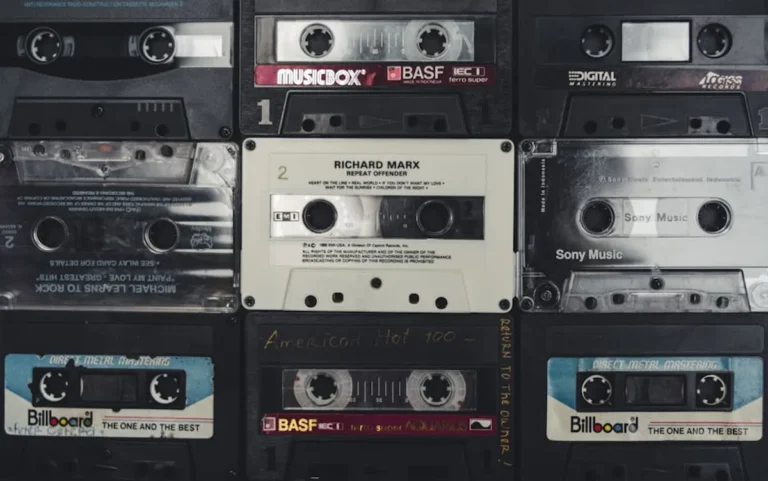
7. Nostalgia Cycles and Genre Resurgence
The accelerating pace of cultural consumption, amplified by social media and streaming algorithms, has led to increasingly rapid nostalgia cycles. Past genres and aesthetics (e.g., 80s synth-pop, 90s grunge, Y2K pop) are not just being sampled but are experiencing full-blown resurgences, often reinterpreted through a contemporary lens. This trend taps into collective memory and provides a fertile ground for content creation, marketing, and cultural commentary.
Best For: Reissue labels, sample pack creators, film/TV sync licensing, fashion brands, retro gaming companies, and content creators focusing on cultural history or aesthetic trends.
Pros: Taps into a built-in audience with strong emotional connections, offers cultural resonance that spans generations, and provides rich thematic material for marketing campaigns. Can revive interest in back catalogs and introduce classic sounds to new listeners.
Cons: Risk of derivative or uninspired work if not handled authentically. Market oversaturation can lead to trend fatigue. While popular, it can sometimes overshadow genuine innovation if not balanced with new creative output.
Verdict: A reliable source of inspiration and engagement, particularly for content that can authentically blend past influences with present sensibilities. Commercial success lies in thoughtful reinterpretation and contextualization, not mere replication.
8. Music as a Wellness and Productivity Tool
Music is increasingly being recognized and marketed not just for entertainment, but as a functional tool for enhancing well-being and cognitive performance. This includes curated playlists and algorithmically generated soundscapes designed for sleep, focus, meditation, stress reduction, and exercise. The growth of health tech, mindfulness apps, and biofeedback devices further integrates music into daily routines as a utility for personal optimization.
Best For: Health tech companies, wellness apps, biofeedback device manufacturers, ambient music artists, and content creators focusing on mental health and productivity.
Pros: Addresses a growing consumer need for mental and physical well-being solutions, opens new subscription and licensing models, and has broad appeal across demographics. Provides a non-pharmacological approach to common modern challenges.
Cons: Requires careful scientific validation for specific claims, which can be costly. Risks the commodification of art if not approached with integrity. The market can become saturated with generic offerings, making differentiation challenging.
Verdict: A significant growth area for music applications beyond traditional entertainment. Companies that can credibly integrate music with scientific principles and user-centric design will capture substantial market share in the wellness economy.
9. Sustainable Music Practices
The music industry, like many others, is facing increasing pressure to address its environmental impact. This trend encompasses efforts across the entire value chain: from eco-friendly touring logistics and merchandise production to carbon-neutral streaming platforms and sustainable venue operations. Artists, labels, and consumers are increasingly prioritizing environmental responsibility, driving demand for greener practices and transparent reporting.
Best For: Ethical record labels, eco-conscious artists, venue operators, merchandise manufacturers, supply chain managers, and music tech companies prioritizing environmental impact.
Pros: Enhances brand reputation and consumer trust, aligns with growing global environmental concerns and regulatory pressures, and can lead to long-term operational efficiencies. Appeals to a demographic increasingly willing to support sustainable brands.
Cons: Higher initial costs for implementing sustainable practices. Logistical challenges in complex global supply chains. Risk of "greenwashing" if claims are not substantiated, leading to consumer distrust. Requires industry-wide collaboration for significant impact.
Verdict: Increasingly crucial for brand image and long-term viability. Businesses that proactively adopt and transparently communicate sustainable practices will build stronger connections with environmentally conscious audiences and stakeholders.
10. Interactive and Gamified Music Experiences
This trend blurs the lines between music consumption and active participation, integrating musical elements into games, interactive apps, and live performances where audience input directly shapes the experience. This can range from rhythm-based video games to concerts where audience votes influence song choices or visual effects, fostering a deeper, more personalized sense of engagement and ownership over the musical journey.
Best For: Game developers, interactive media artists, educational platforms, live event producers, and brands seeking to create highly engaging, participatory experiences.
Pros: Drives exceptionally deep user engagement and retention, creates unique and memorable experiences, offers significant educational potential for music theory or instrument learning, and opens new avenues for collaborative creativity.
Cons: High technical complexity and development costs. Requires robust infrastructure to handle real-time user input. Niche appeal compared to passive listening, potentially limiting mass market adoption without significant innovation.
Verdict: A powerful way to differentiate content and foster community, particularly effective for younger, digitally native audiences. Success depends on intuitive design and a clear value proposition that justifies the interactive effort from the user.
11. Global Music Fusion and Cross-Cultural Collaboration
The ease of digital collaboration and global distribution continues to break down geographical and cultural barriers in music. This trend sees an acceleration of genre fusion, where artists from different cultural backgrounds blend traditional sounds with contemporary styles, and non-Western music gains unprecedented global exposure. It fosters new sonic landscapes and broadens the appeal of diverse musical expressions.
Best For: World music labels, international artists, cultural festivals, sync licensing for global media, and platforms promoting diverse musical content.
Pros: Broadens market reach and audience appeal, enriches the global musical tapestry, provides diverse content for streaming platforms, and fosters cultural exchange and understanding. Creates unique selling propositions through novel sonic combinations.
Cons: Can present language barriers in marketing and promotion. Requires sensitivity to avoid cultural appropriation, demanding genuine collaboration and respect. Marketing strategies need to be nuanced to resonate across different cultural contexts.
Verdict: A vital trend for expanding creative possibilities and market reach. Businesses that actively support and promote authentic cross-cultural collaborations will tap into a growing global audience seeking diverse and innovative musical experiences.
12. Data-Driven A&R and Artist Development
Record labels, artist management, and publishers are increasingly leveraging vast datasets—from streaming analytics and social media engagement to touring data and demographic insights—to inform their A&R (Artist & Repertoire) decisions and artist development strategies. This analytical approach helps identify emerging talent, predict potential hits, optimize marketing spend, and guide career trajectories with greater precision than traditional intuition alone.
Best For: Record labels, artist management companies, music publishers, music tech analytics platforms, and investors in musical talent.
Pros: Reduces risk in talent acquisition and investment, improves efficiency in talent scouting, optimizes marketing and promotional budgets, and provides objective metrics for career growth and strategic planning. Enables faster identification of rising stars.
Cons: Over-reliance on metrics can stifle unconventional talent or innovation that doesn't fit existing patterns. Potential for algorithmic bias if data sets are not diverse or representative. Risks depersonalizing the artist development process by prioritizing numbers over creative instinct.
Verdict: Streamlines decision-making and resource allocation within the music industry. While highly effective for identifying and nurturing commercially viable talent, it must be balanced with human intuition and creative vision to avoid a homogenized artistic output.
Measuring Success and Choosing Strategic Trends
For any entity operating within or adjacent to the music industry, success in navigating these trends is quantifiable through several key performance indicators. Audience engagement metrics, such as listen time, interaction rates (e.g., shares, comments on short-form video), and conversion rates for direct-to-fan initiatives, provide direct evidence of content resonance. Monetization success can be tracked through revenue per stream, subscription growth, merchandise sales, or licensing deals. For brand-aligned content, metrics like brand sentiment, recall, and association with specific musical trends are crucial. Ultimately, the choice of which trends to prioritize depends on strategic alignment with core business objectives, available resources, and target audience demographics. A small independent artist might focus on direct-to-fan monetization and short-form video virality, while a major label might invest heavily in metaverse experiences and data-driven A&R. The key is to identify trends that offer a clear path to measurable impact and sustainable growth, rather than simply chasing every new development.
Frequently Asked Questions
Q: How quickly do music trends change?
A: The pace of music trends has accelerated significantly due to digital platforms and social media. What might have taken years to develop now often emerges and