Music documentaries offer more than just entertainment; they provide critical insights into creative processes, cultural movements, and the business dynamics that shape artistic output. For those seeking inspiration, historical context, or a deeper understanding of influential figures, selecting the right documentary is key. This guide cuts through the noise, identifying essential films that stand out for their narrative depth, archival richness, and lasting impact. Each recommendation is assessed for its unique contribution, allowing you to choose based on specific interests—whether that's the raw energy of live performances, the intricate struggles of artists, or the broader societal forces music reflects.
How to Choose a Music Documentary
When navigating the extensive catalog of music documentaries, consider several factors beyond genre preference to ensure a valuable viewing experience. First, assess the narrative focus: Is it a biographical deep dive into a single artist, a historical account of a musical movement, or a behind-the-scenes look at the creative process? Biographical films like Amy offer intimate portraits, while festival chronicles such as Summer of Soul capture broader cultural moments. Second, evaluate the production quality and archival resources. Documentaries leveraging rare footage, candid interviews, or innovative cinematography often provide a more immersive and authoritative perspective. Third, consider the film's intent. Some documentaries aim to celebrate, others to critique, and many to uncover overlooked stories. A film like Searching for Sugar Man excels at unearthing a forgotten legacy, while Gimme Shelter provides a stark, unvarnished look at a pivotal event. Finally, think about the emotional and intellectual engagement you seek. Some films are purely inspirational, others provoke thought on industry ethics, and some simply aim to entertain with compelling performances. Matching these elements to your specific interests will guide you to a documentary that resonates.
1. Amy
Asif Kapadia's 2015 documentary presents an unflinching, intimate portrait of Amy Winehouse, primarily through extensive archival footage, home videos, and voiceover interviews with her closest friends and family. The film meticulously charts her meteoric rise to fame, her unparalleled musical talent, and her tragic decline, offering a complex narrative that avoids sensationalism. It positions Winehouse not just as a musical icon but as a vulnerable individual overwhelmed by personal struggles and intense public scrutiny. The narrative is constructed to highlight the pressures of fame and the human cost behind the headlines, making it a poignant study of talent, addiction, and exploitation.
Best for: Viewers interested in the psychological impact of fame, the destructive forces of addiction, and the raw talent of a modern musical legend. It’s a deep dive into an artist's personal and professional unraveling.
Pros:
- Utilizes extensive, previously unseen archival footage, offering a deeply personal perspective.
- Constructs a nuanced narrative that challenges public perceptions and avoids simplistic blame.
- Provides a powerful, empathetic look at the artist's struggles with addiction and mental health.
Cons:
- Can be emotionally taxing due to its tragic subject matter and candid portrayal of decline.
- Some critics argue it focuses too heavily on her personal life over her musical process.
Verdict: An essential, albeit difficult, watch for understanding the human toll of celebrity and the profound talent of Amy Winehouse, presented with remarkable intimacy.
2. Searching for Sugar Man
Malik Bendjelloul's 2012 Oscar-winning documentary follows the incredible story of Sixto Rodriguez, a Detroit folk musician who released two albums in the early 1970s that flopped in the United States but became an unlikely sensation and symbol of hope in apartheid-era South Africa. The film chronicles two South African fans' quest to uncover the truth about Rodriguez's rumored death and his mysterious disappearance from the music scene. It's a tale of rediscovery, cultural impact, and the enduring power of music, masterfully blending detective work with an uplifting narrative about an artist unknowingly revered thousands of miles away.
Best for: Audiences who appreciate underdog stories, cultural mysteries, and the unexpected ways music can transcend borders and time. It’s an inspiring narrative about unrecognized genius.
Pros:
- Features a compelling, almost unbelievable true story with a genuinely uplifting resolution.
- Showcases the profound impact of music across different cultures and political landscapes.
- Masterful storytelling and beautiful animation enhance the narrative's emotional depth.
Cons:
- Some minor narrative embellishments have been noted, though they don't detract from the core story.
- Pacing can feel deliberately slow at times, building suspense gradually.
Verdict: A captivating and heartwarming documentary that celebrates the universal power of music and the unexpected turns of fate for a forgotten artist.
3. 20 Feet from Stardom
Directed by Morgan Neville, this 2013 Oscar winner shines a spotlight on the unsung heroes of countless hit songs: the backup singers. The documentary explores the lives, careers, and aspirations of several prominent vocalists, including Darlene Love, Merry Clayton, and Lisa Fischer, who have lent their voices to some of the biggest names in music. It delves into their passion for music, the challenges of working in the shadow of lead artists, and the fine line between supporting role and solo stardom. The film offers a unique perspective on the music industry, highlighting the talent and dedication often overlooked in the foreground.
Best for: Anyone interested in the intricate mechanics of music production, the stories of undervalued talent, and the often-unseen contributions behind iconic tracks. It’s a tribute to the craft of singing.
Pros:
- Gives deserved recognition to incredibly talented but often anonymous artists.
- Features revealing interviews with legendary lead musicians like Bruce Springsteen and Mick Jagger.
- Offers a fresh perspective on the music industry's hierarchy and creative collaboration.
Cons:
- Could delve deeper into the specific technical aspects of backup singing.
- Some viewers might desire more focus on a single narrative arc rather than multiple perspectives.
Verdict: An insightful and celebratory look at the essential, yet often invisible, vocalists who shaped the sound of generations, providing a vital counter-narrative to solo stardom.
4. The Last Waltz
Martin Scorsese's 1978 concert film documents The Band's farewell concert, held on Thanksgiving Day 1976 at San Francisco's Winterland Ballroom. More than a mere concert recording, Scorsese elevates the event into a cinematic experience, blending electrifying live performances with backstage interviews and meticulously crafted cinematography. The film features an astonishing lineup of guest performers, including Bob Dylan, Joni Mitchell, Neil Young, Van Morrison, and Eric Clapton, turning the concert into a historical gathering of rock and roll royalty. It's a definitive document of an era and a masterclass in capturing live music on film.
Best for: Fans of classic rock, concert films, and those interested in the collaborative spirit of 1970s music. It's a benchmark for how to film a live musical event with artistic integrity.
Pros:
- Exceptional musical performances from The Band and an unparalleled roster of guest artists.
- Scorsese's directorial vision elevates the concert footage into a cohesive narrative and artistic statement.
- Offers valuable historical context on The Band's career and the end of an era in rock music.
Cons:
- Some critics argue Scorsese's focus on Robbie Robertson occasionally overshadows other band members.
- The deliberate pacing and interview segments might not appeal to those seeking only raw concert footage.
Verdict: A landmark concert film that transcends its genre, offering a poignant farewell to a legendary group and a vibrant snapshot of 1970s rock culture.
5. Gimme Shelter
Albert and David Maysles' 1970 documentary offers a raw, unflinching look at the Rolling Stones' 1969 American tour, culminating in the infamous Altamont Free Concert. What begins as a celebration of rock and roll freedom quickly devolves into chaos and tragedy, particularly during the Altamont sequence where the Hells Angels, hired as security, clash violently with concertgoers, resulting in several deaths. The film captures the idealism and ultimate disillusionment of the counterculture movement, presenting a stark contrast to the peace and love narrative of Woodstock. It's a visceral, unsettling document of a pivotal moment in music history.
Best for: Viewers interested in the darker side of rock and roll history, the collapse of countercultural ideals, and raw, observational documentary filmmaking. It's a cautionary tale about uncontrolled mass gatherings.
Pros:
- Provides an unprecedented, candid look at the Rolling Stones at the height of their fame.
- Captures the escalating tension and tragic events of Altamont with stark realism.
- A crucial historical document illustrating the end of the 1960s' utopian dreams.
Cons:
- The violent and chaotic nature of the Altamont footage can be disturbing and difficult to watch.
- Its observational style offers little direct commentary, leaving interpretation largely to the viewer.
Verdict: A powerful, disturbing, and essential historical document that exposes the dangerous undercurrents beneath the façade of peace and love in rock culture.
6. Summer of Soul (...Or, When the Revolution Could Not Be Televised)
Questlove's directorial debut, released in 2021, unearths incredible, largely unseen footage from the 1969 Harlem Cultural Festival. This festival, held the same summer as Woodstock, featured legendary Black artists like Stevie Wonder, Nina Simone, Sly & the Family Stone, and Mahalia Jackson. The film not only showcases electrifying performances but also contextualizes the event within the broader civil rights movement and the social upheaval of the late 1960s. It serves as both a vibrant concert film and a crucial historical record, reclaiming a significant cultural moment that was nearly forgotten.
Best for: Anyone interested in Black history, the intersection of music and social justice, and rediscovering a pivotal, overlooked cultural event. It’s a joyful and powerful celebration of Black artistry and community.
Pros:
- Presents stunning, previously unreleased performances from iconic artists.
- Effectively contextualizes the festival within the civil rights movement and Black identity.
- Serves as a vital act of historical reclamation, bringing a forgotten event to light.
Cons:
- The sheer volume of incredible footage means some performances are necessarily truncated.
- Viewers unfamiliar with the historical context might need additional background reading.
Verdict: A triumphant, energetic, and historically significant film that not only entertains with incredible music but also corrects a glaring omission in cultural memory.
7. What Happened, Miss Simone?
Liz Garbus's 2015 documentary chronicles the complex and often tumultuous life of Nina Simone, the legendary singer, pianist, and civil rights activist. Drawing from never-before-heard audio tapes, rare concert footage, letters, and interviews with those closest to her, the film paints a multifaceted portrait of an artist whose genius was matched only by her personal struggles and unwavering commitment to social justice. It explores the pressures of fame, the challenges of mental illness, and her profound impact as a voice for the oppressed, offering a deep understanding of the woman behind the iconic music.
Best for: Those seeking a profound biographical exploration of a complex artist, civil rights history, and the intersection of personal struggle with artistic expression. It’s a powerful examination of genius and suffering.
Pros:
- Utilizes a wealth of intimate archival material, including Simone's own diaries and recordings.
- Provides a comprehensive and empathetic understanding of her mental health struggles.
- Highlights her pivotal role as an activist and her fearless use of music for social change.
Cons:
- The raw depiction of her personal difficulties can be challenging for some viewers.
- The film's focus on her later life and struggles might overshadow her earlier musical development for some.
Verdict: A powerful, often heartbreaking, and essential documentary that honors Nina Simone's extraordinary talent, her courageous activism, and her deeply human complexities.
8. Dig!
Ondi Timoner's 2004 documentary offers a decade-long, raw, and often uncomfortable look at the intertwined careers and volatile relationship between two indie rock bands: The Dandy Warhols and The Brian Jonestown Massacre. It's a study in ambition, ego, friendship, and self-destruction, particularly focusing on the contrasting personalities of Dandy Warhols frontman Courtney Taylor-Taylor and Brian Jonestown Massacre's Anton Newcombe. The film captures the artistic struggles, commercial pressures, and interpersonal drama that define the independent music scene, making it a compelling, if at times agonizing, character study.
Best for: Viewers interested in the psychological dynamics of band relationships, the realities of the indie music grind, and candid, fly-on-the-wall filmmaking. It’s a cautionary tale about creative partnership and self-sabotage.
Pros:
- Provides an unvarnished, decade-long look at the realities of band life and the music industry.
- Features compelling, often volatile, character studies of the two lead musicians.
- Offers a unique perspective on the creative process and the destructive nature of ego.
Cons:
- The chaotic nature and frequent drug use depicted can be off-putting for some viewers.
- The film's focus on internal band drama might overshadow the music itself for some.
Verdict: A fascinating, often disturbing, and brutally honest portrayal of artistic ambition, rivalry, and the fine line between genius and madness in the indie rock world.
9. Don't Look Back
D.A. Pennebaker's 1967 cinéma vérité classic captures Bob Dylan's 1965 concert tour of England, a pivotal moment in his career as he transitioned from acoustic folk protest singer to electric rock icon. Shot in black and white, the film offers a candid, observational look at Dylan's interactions with journalists, fans, and fellow musicians, revealing his sharp wit, enigmatic personality, and growing frustration with public expectations. It's less about the music and more about the cultural phenomenon of Dylan, providing an unparalleled glimpse into the mind of an artist at the peak of his influence.
Best for: Bob Dylan enthusiasts, students of 1960s counterculture, and those interested in early observational documentary filmmaking. It’s an intimate, unfiltered look at an artist navigating fame and artistic evolution.
Pros:
- Provides an iconic, unscripted look at Bob Dylan during a crucial period of his career.
- Pennebaker's cinéma vérité style captures genuine moments and interactions.
- A historical document illustrating the shift in music and youth culture in the mid-1960s.
Cons:
- The film's observational nature means it lacks a traditional narrative arc.
- Viewers primarily seeking concert footage might find the focus on interviews and backstage interactions less engaging.
Verdict: A seminal music documentary that defines a generation, offering an unparalleled, raw, and often challenging insight into the enigmatic genius of Bob Dylan.
10. Buena Vista Social Club
Wim Wenders' 1999 documentary follows Ry Cooder's journey to Cuba to record an album with a group of legendary, long-forgotten Cuban musicians. The film captures their stories, their passion for music, and their triumphant return to the global stage, culminating in a sold-out concert at Carnegie Hall. It's a celebration of Cuban music, culture, and the enduring spirit of its artists, many of whom were in their 70s and 80s when rediscovered. The documentary beautifully intertwines their personal histories with their vibrant musical performances, creating a heartwarming and culturally rich experience.
Best for: World music enthusiasts, those interested in Cuban culture and history, and anyone who appreciates stories of late-life artistic resurgence. It’s a joyous celebration of music and cultural heritage.
Pros:
- Introduces audiences to incredibly talented, previously obscure Cuban musicians.
- Features vibrant, soulful performances that showcase the richness of Cuban music.
- A heartwarming narrative of rediscovery and artistic triumph against the odds.
Cons:
- The film's celebratory tone doesn't deeply explore the political or economic context of Cuba.
- Some viewers might desire more in-depth musical analysis over biographical sketches.
Verdict: A beautiful, uplifting, and culturally significant film that brought the magic of traditional Cuban music and its extraordinary practitioners to a global audience.
11. Sound City
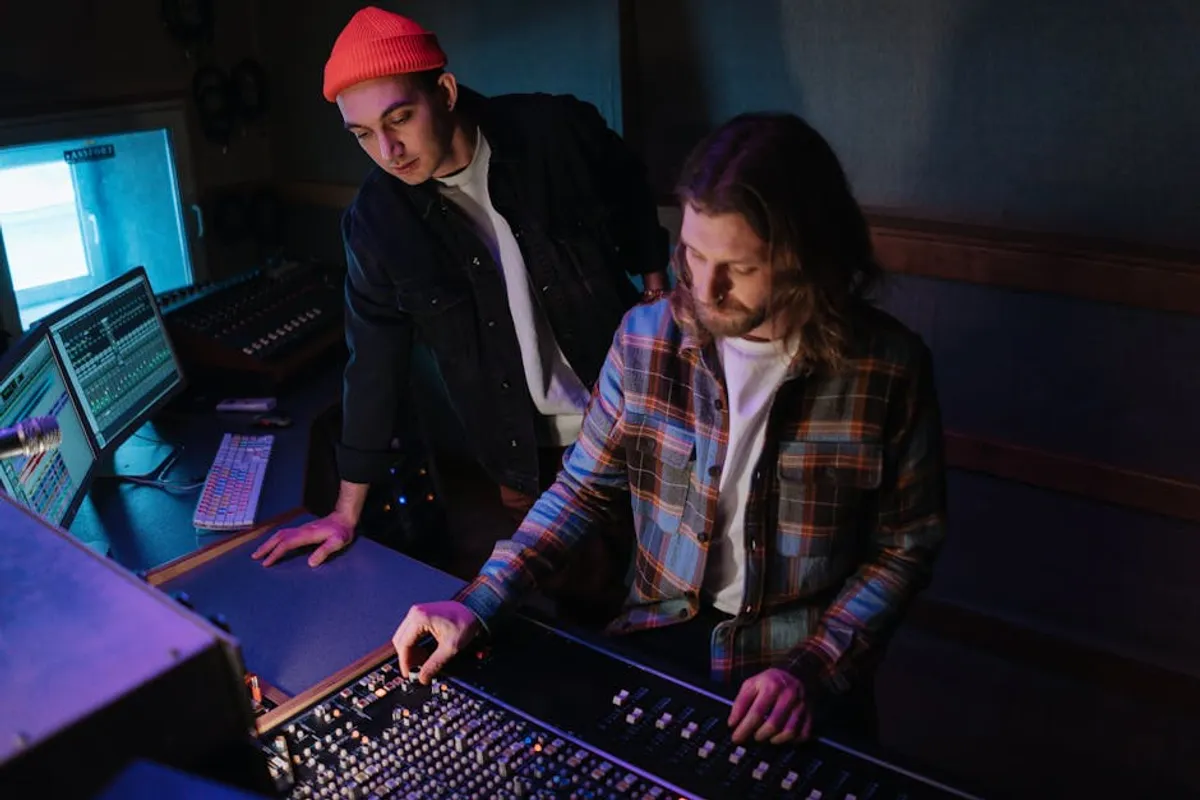
Dave Grohl's 2013 directorial debut pays homage to Sound City Studios, a legendary, unassuming recording studio in Van Nuys, California, known for its unique sound and the iconic artists who recorded there. The film recounts the studio's history, its famous Neve 8028 analog mixing console, and the countless classic albums produced within its walls, including Fleetwood Mac's Rumours and Nirvana's Nevermind. Grohl interviews a who's who of rock legends and concludes with a session at his own studio, recording new music on the salvaged Neve board. It's a love letter to analog recording and the magic of a specific creative space.
Best for: Musicians, audio engineers, fans of classic rock, and anyone interested in the technical and creative aspects of music production. It’s a nostalgic look at the importance of recording environments.
Pros:
- Features insightful interviews with a vast array of influential musicians and producers.
- Offers a fascinating look into the history and technical aspects of a legendary recording studio.
- Dave Grohl's passion for the subject shines through, making it an engaging watch.
Cons:
- Might be less engaging for viewers with no interest in music production or studio history.
- The focus is heavily on rock music, potentially limiting appeal for other genre fans.
Verdict: A heartfelt and informative tribute to a legendary recording studio, celebrating the enduring power of analog sound and the creative spaces that shape musical history.
12. Rumble: The Indians Who Rocked The World
Catherine Bainbridge and Alfonso Maiorana's 2017 documentary explores the profound and often uncredited influence of Native American musicians on popular music genres like blues, jazz, rock, and folk. From early pioneers like Charley Patton and Mildred Bailey to modern icons such as Jimi Hendrix and Link Wray (whose instrumental hit "Rumble" gives the film its title), the documentary reveals how Indigenous artists shaped the sound of American music. It’s a vital historical correction, highlighting overlooked contributions and the cultural significance of their musical heritage, often against a backdrop of systemic discrimination.
Best for: Music historians, those interested in