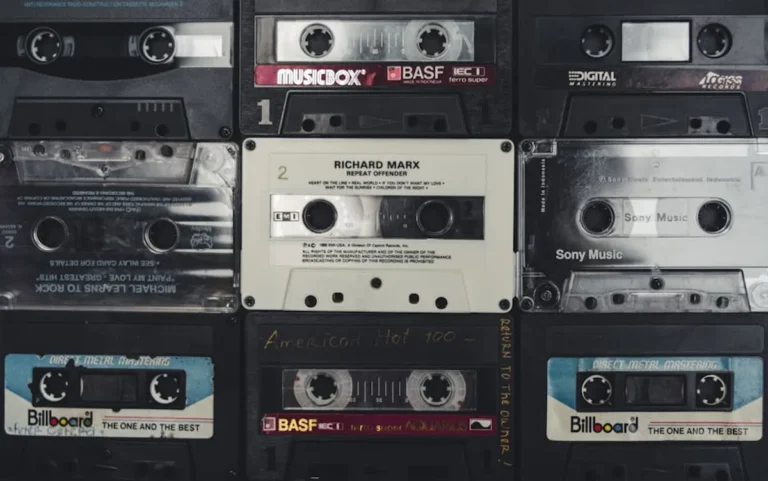

For marketers, content strategists, and publishers, music blogs represent more than just entertainment; they are critical sources of market intelligence, audience insight, and competitive analysis. These platforms track emerging artists, dissect genre shifts, report on industry economics, and often reflect broader cultural currents. Understanding which music blogs hold influence and what specific angles they cover can inform content development, identify potential partnership opportunities, and reveal nuanced audience segments for targeted campaigns.
This overview identifies prominent music blogs, detailing their editorial focus, target demographic, and commercial utility. The aim is to provide a framework for leveraging these resources, moving beyond casual readership to strategic application in content marketing and SEO.
How to Evaluate Music Blogs for Commercial Insight
When assessing music blogs for commercial or strategic purposes, consider factors beyond mere popularity. Focus on the depth of their content, the specificity of their niche, and their engagement metrics. A blog with a smaller, highly engaged audience in a niche genre might offer more valuable, actionable insights than a generalist site with broader, less focused readership. Evaluate the types of artists they cover, the frequency of their updates, and the quality of their editorial analysis. Look for evidence of original reporting, critical perspectives, and a clear editorial voice. This helps in understanding their influence on specific subcultures or industry segments, which is key for identifying trends and audience sentiment.
1. Pitchfork
Pitchfork established itself as a definitive voice in independent and alternative music criticism, expanding over time to cover a broader spectrum including hip-hop, electronic, and experimental genres. Its reputation is built on in-depth album reviews, artist features, and extensive coverage of new releases. The site's editorial approach often blends academic analysis with accessible language, positioning it as a taste-maker for a culturally engaged audience. Pitchfork also hosts a significant archive of reviews, providing historical context for artists and genres.
Best for: Understanding critical reception and emerging trends in indie, alternative, and experimental music; audience insights for culturally literate demographics; identifying influential new artists.
Pros:
- Highly influential with a dedicated readership for specific music niches.
- Provides detailed, analytical reviews and features, offering deep insights into artistic merit and cultural relevance.
- Extensive archive serves as a valuable resource for historical music data and critical consensus.
Cons:
- Editorial perspective can be perceived as insular or overly critical by some, potentially limiting broader appeal.
- Focus on critical analysis may not always align with mainstream commercial trends.
- High volume of content requires specific filtering for targeted commercial intelligence.
Verdict: Pitchfork remains a benchmark for critical music discourse, offering unparalleled insights into the independent music ecosystem and the cultural reception of new works. Its value lies in its ability to identify and legitimize artists within a discerning demographic, making it essential for understanding taste-making processes.
2. Consequence
Consequence, formerly Consequence of Sound, covers music, film, and television, positioning itself as a comprehensive guide to pop culture. Its music coverage spans a wide array of genres, from rock and indie to hip-hop and electronic, with a focus on news, album reviews, festival coverage, and artist interviews. The site maintains a balance between critical commentary and accessible reporting, making it appealing to a broad audience interested in contemporary culture. Consequence frequently breaks news and offers exclusive content, contributing to its relevance.
Best for: Tracking popular culture trends across music, film, and TV; identifying cross-media content opportunities; understanding mainstream and indie crossover appeal.
Pros:
- Broad cultural scope provides a holistic view of entertainment trends and audience interests.
- Regularly updated with news, reviews, and exclusive content, ensuring timely market intelligence.
- Strong coverage of major festivals and tours, offering insights into live music market dynamics.
Cons:
- Broader focus means music-specific insights might be less granular compared to niche blogs.
- Content volume can be substantial, requiring focused effort to extract specific music marketing intelligence.
- Competition for attention across multiple content verticals can dilute music-specific impact.
Verdict: Consequence is a valuable resource for understanding the interconnectedness of music within the broader entertainment landscape. Its strength lies in its ability to track popular cultural shifts and identify artists with multi-platform appeal, offering insights into audience consumption habits beyond music alone.
3. Stereogum
Stereogum specializes in new music discovery, particularly within the indie, alternative, and emerging artist spheres. The blog is known for its rapid coverage of new tracks, album announcements, and music videos, often being among the first to feature artists before they achieve mainstream recognition. Its editorial style is direct and enthusiastic, fostering a community around the excitement of discovering fresh talent. Stereogum frequently hosts premieres and exclusive streams, solidifying its role as a launchpad for new music.
Best for: Early identification of emerging artists and sounds in indie and alternative genres; understanding the trajectory of artist development; content ideas related to new music releases.
Pros:
- Exceptional at early new music discovery, providing a leading edge on emerging trends.
- Strong community engagement through comments and discussion, offering direct audience sentiment.
- Regular premieres and exclusive content provide unique insights into artist promotion strategies.
Cons:
- Primary focus on new music means less emphasis on established artists or broader industry analysis.
- Fast-paced content cycle can make it challenging to track long-term trends or deep-dive analysis.
- Niche focus may limit insights for marketers targeting mainstream or highly commercial genres.
Verdict: Stereogum serves as an essential radar for new talent and sounds in the indie landscape. Its utility lies in providing early signals for artist potential and understanding the dynamics of grassroots music promotion, making it a key resource for talent scouts and content creators seeking fresh perspectives.
4. Resident Advisor
Resident Advisor (RA) is a globally recognized online magazine and community platform dedicated to electronic music, DJs, and club culture. It offers comprehensive coverage including news, features, artist profiles, event listings, and detailed reviews of electronic albums and tracks. RA's editorial content often delves into the technical aspects of production, the history of genres, and the cultural significance of electronic music scenes worldwide. Its event listings are a core feature, connecting artists, venues, and audiences.
Best for: Deep insights into the electronic music market, club culture, and DJ scene; identifying global and regional electronic music trends; understanding niche audience behaviors and preferences.
Pros:
- Authoritative voice within the global electronic music community, providing credible insights.
- Extensive event listings offer unique data points on live performance trends and geographic popularity.
- Features often explore sub-genres and technical aspects, appealing to a highly informed audience.
Cons:
- Highly specialized niche, limiting its applicability for broader music industry analysis.
- Content can be technical, requiring familiarity with electronic music terminology and culture.
- Focus on club culture may not align with all commercial music marketing objectives.
Verdict: Resident Advisor is indispensable for anyone targeting the electronic music sector. Its detailed coverage and community focus provide a granular view of genre evolution, artist influence, and audience engagement within this specific, globally connected market segment.
5. Billboard
Billboard is an iconic music industry publication, primarily known for its definitive music charts and comprehensive coverage of the business side of music. It reports on sales data, streaming metrics, touring revenue, industry news, executive moves, and legislative developments affecting the music business. While it covers artists and releases, its primary strength lies in its commercial and statistical analysis, making it a crucial resource for understanding market performance and industry trends. Billboard's data-driven approach informs strategy across labels, management, and marketing firms.
Best for: Market data, industry analytics, and commercial performance metrics; understanding the business of music, including sales, streaming, and touring; competitive intelligence on major label strategies.
Pros:
- Authoritative source for music charts and sales data, providing quantifiable market performance.
- Extensive coverage of industry news and business developments, crucial for strategic planning.
- Insights into executive decisions and label strategies, offering a top-down view of the industry.
Cons:
- Primarily focused on mainstream commercial success, potentially overlooking niche or independent scenes.
- Content can be highly data-driven, requiring interpretation for broader cultural insights.
- Subscription models for full data access can be a barrier for some users.
Verdict: Billboard is the essential resource for anyone focused on the commercial aspects of the music industry. Its unparalleled access to data and focus on market performance make it invaluable for strategic planning, trend forecasting, and understanding the economic drivers behind music consumption.
6. NME (New Musical Express)
NME, originally a British music newspaper, has evolved into a global online platform covering rock, indie, pop, and alternative music, alongside film, gaming, and television. It maintains a distinct editorial voice, often characterized by its directness and focus on cultural impact. NME is known for its news coverage, album reviews, artist interviews, and live reviews, particularly strong in its coverage of UK and European music scenes. The brand's long history gives it a unique perspective on music evolution and cultural shifts.
Best for: UK and European music market insights, particularly in rock, indie, and alternative genres; understanding the cultural commentary surrounding music; tracking established artists and new British talent.
Pros:
- Strong historical presence provides a rich archive and established authority in music journalism.
- Excellent coverage of UK and European music scenes, offering regional market insights.
- Engaging editorial style that often reflects broader cultural conversations around music.
Cons:
- Broader content scope beyond music can dilute focus for purely music-centric research.
- Editorial perspective may lean towards specific genres, potentially offering less insight into others.
- Geographic focus, while a strength, might limit its utility for purely North American market analysis.
Verdict: NME offers a robust blend of music news, reviews, and cultural commentary with a strong UK and European slant. It's particularly useful for understanding how music intersects with broader youth culture and for insights into established and emerging artists within its core genres.
7. The Fader
The Fader is a music and culture magazine that focuses on hip-hop, R&B, and emerging artists, often with a strong emphasis on fashion, lifestyle, and youth culture. It distinguishes itself with high-quality photography, in-depth artist profiles, and a curatorial approach to content that highlights artists on the cusp of breakout success. The Fader's coverage often explores the cultural context of music, connecting artists to broader trends in fashion, art, and social movements, making it a key resource for understanding contemporary urban culture.
Best for: Insights into hip-hop, R&B, and urban youth culture; understanding the intersection of music with fashion and lifestyle trends; identifying culturally relevant emerging artists.
Pros:
- Exceptional visual content and in-depth profiles provide rich context for artists and trends.
- Strong focus on cultural relevance and lifestyle integration, valuable for understanding audience demographics.
- Often features artists early in their careers, offering insights into their development and appeal.
Cons:
- Niche focus on hip-hop, R&B, and urban culture limits its scope for other music genres.
- Less emphasis on critical review and more on cultural profiling, which may not suit all analytical needs.
- Content is highly curated, potentially offering a subjective view of the market.
Verdict: The Fader is an authoritative voice for understanding contemporary hip-hop, R&B, and their cultural impact. Its strength lies in connecting music to broader lifestyle trends, making it vital for marketers seeking to understand audience identity and cultural resonance in these genres.
8. All Music
All Music is an extensive online music database and editorial resource, offering comprehensive information on artists, albums, songs, and genres across virtually all musical styles. It features biographies, discographies, album reviews, and genre classifications, making it an encyclopedic reference. While not a traditional "blog" in the daily news sense, its editorial content includes features, retrospectives, and curated lists that provide deep historical and analytical context. Its sheer volume of structured data is a powerful resource for research.
Best for: Comprehensive music research, historical context, genre exploration, and artist discography analysis; content development requiring factual music data and critical overviews.
Pros:
- Unparalleled database of artists, albums, and songs, serving as a definitive reference.
- Detailed biographies and reviews provide deep historical and critical context across genres.
- Structured data is highly valuable for research, content creation, and understanding music taxonomy.
Cons:
- Less focused on breaking news or current trends compared to daily music blogs.
- Content is more archival and informational, rather than commentary on real-time market shifts.
- Navigation can be dense due to the sheer volume of information.
Verdict: All Music is an indispensable academic and research tool for music professionals. Its exhaustive database and editorial depth provide foundational knowledge for understanding music history, genre evolution, and artist legacies, making it essential for background research and content validation.
9. KEXP Blog
The KEXP Blog is an extension of the renowned Seattle-based non-commercial radio station KEXP-FM, known for its eclectic programming and commitment to artist discovery. The blog features content related to their famous live in-studio performances, interviews, album reviews, and curated playlists. It often highlights independent artists across various genres, from indie rock and electronic to global music. The blog captures the spirit of KEXP's curatorial excellence, offering a window into a diverse musical landscape and the stories behind the artists.
Best for: Discovering diverse independent artists and global music; insights into curatorial processes and artist interviews; understanding audience engagement with live performance content.
Pros:
- Strong focus on artist discovery and diverse genres, offering unique insights beyond mainstream.
- High-quality video content from live performances provides engaging visual and auditory context.
- Curatorial approach offers a trusted filter for quality and originality in music.
Cons:
- Content updates are less frequent than daily news blogs, focusing more on features and sessions.
- Primarily reflects the curatorial tastes of the station, which may not align with all commercial objectives.
- Less emphasis on industry news or market analytics compared to business-focused publications.
Verdict: The KEXP Blog is a valuable resource for discovering independent and globally diverse artists through a highly curated lens. Its strength lies in its unique performance content and artist-centric storytelling, offering insights into authentic artist connections and audience engagement.
10. Bandcamp Daily
Bandcamp Daily is the editorial arm of Bandcamp, the online music store and community platform known for its direct-to-fan model. The blog focuses exclusively on music available on Bandcamp, highlighting independent artists and labels across an incredibly diverse range of genres. It features album reviews, artist interviews, genre deep-dives, and curated lists, often exploring niche scenes and experimental sounds that might not receive coverage elsewhere. Bandcamp Daily provides unique insights into the independent music economy and direct artist-to-fan engagement.
Best for: Understanding the independent music market and direct-to-fan models; discovering niche genres and experimental artists; insights into artist monetization strategies on platforms.
Pros:
- Exclusive focus on independent artists offers a unique perspective on grassroots music.
- Deep dives into niche genres and experimental sounds provide insights into emerging subcultures.
- Content often highlights artist stories and direct-to-fan success, valuable for understanding indie economics.
Cons:
- Limited to music available on the Bandcamp platform, potentially overlooking artists on other distribution channels.
- Less emphasis on mainstream or commercially driven music trends.
- Content is primarily curatorial, rather than analytical of broader market forces.
Verdict: Bandcamp Daily is essential for anyone interested in the independent music economy and direct-to-fan engagement. It offers unparalleled insights into niche markets, artist sustainability, and the discovery of truly underground talent, making it a critical resource for understanding alternative music ecosystems.
11. Pigeons & Planes
Pigeons & Planes is a music blog known for its focus on emerging artists, particularly within the hip-hop, R&B, and indie-pop spheres. It acts as a discovery platform, often featuring artists early in their careers through news, interviews, and curated playlists. The blog maintains a fresh, youthful perspective, aiming to identify the next wave of influential musicians. Its content often includes commentary on music videos, fashion, and the broader cultural impact of new artists, appealing to a demographic interested in contemporary trends.
Best for: Identifying breakout artists in hip-hop, R&B, and indie-pop; understanding youth culture trends in music; content inspiration for artist discovery and emerging talent features.
Pros:
- Excellent track record for identifying and promoting emerging artists before mainstream recognition.
- Content is engaging and accessible, appealing to a younger, trend-focused audience.
- Strong focus on music videos and visual content, reflecting contemporary consumption habits.
Cons:
- Primary focus on new and emerging artists means less coverage of established acts or historical context.
- Content can be fast-paced, requiring frequent monitoring for consistent trend tracking.
- Niche focus may limit its utility for broader genre or industry analysis.
Verdict: Pigeons & Planes excels as a barometer for emerging talent in hip-hop, R&B, and indie-pop. Its utility lies in providing early signals for artist potential and understanding the tastes of a younger, trend-conscious audience, making it valuable for talent scouting and content strategy.
12. Hypebeast Music
Hypebeast Music is a dedicated section of the broader Hypebeast platform, which focuses on contemporary culture, fashion, and lifestyle. The music section covers hip-hop, R&B, electronic, and alternative genres, often highlighting artists who intersect with fashion, streetwear, and luxury brands. It features news, exclusive interviews, music video releases, and cultural commentary, positioning music within a broader lifestyle context. Hypebeast Music appeals to a demographic interested in the convergence of culture, style, and music.
Best for: Understanding the intersection of music with fashion, streetwear, and luxury lifestyle; insights into artists with strong brand appeal; identifying cultural trends among affluent, style-conscious audiences.
Pros:
- Unique angle connecting music to fashion and lifestyle, offering insights into cultural branding.
- High-quality visual content aligns with a sophisticated aesthetic, appealing to specific demographics.
- Covers artists with strong commercial appeal and brand partnership potential.
Cons:
- Music coverage is often framed within a lifestyle context, which may not suit purely musical analysis.
- Niche focus on artists aligning with specific fashion and cultural aesthetics.
- Less emphasis on critical music reviews or in-depth genre exploration.
Verdict: Hypebeast Music is a critical resource for understanding how music integrates with fashion and luxury lifestyle trends. Its strength lies in identifying artists with strong brand affinity and cultural influence, making it essential for marketers targeting affluent, style-conscious audiences.
Leveraging Music Blogs for Market Intelligence
To effectively harness the commercial utility of music blogs, integrate them into a structured market intelligence workflow. Regularly monitor a curated selection of blogs relevant to your target demographics or content niches. Use them for trend spotting: observe recurring themes, emerging genres, and artists gaining traction. Analyze the language used in reviews and features to understand audience sentiment and critical frameworks. This qualitative data can inform keyword research