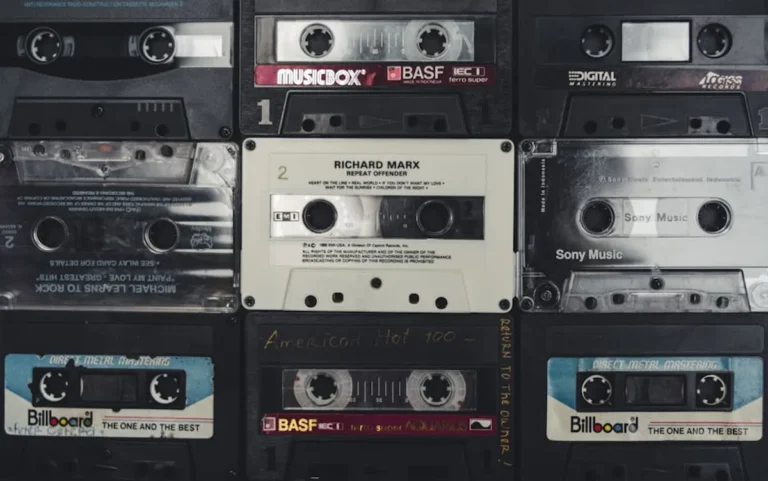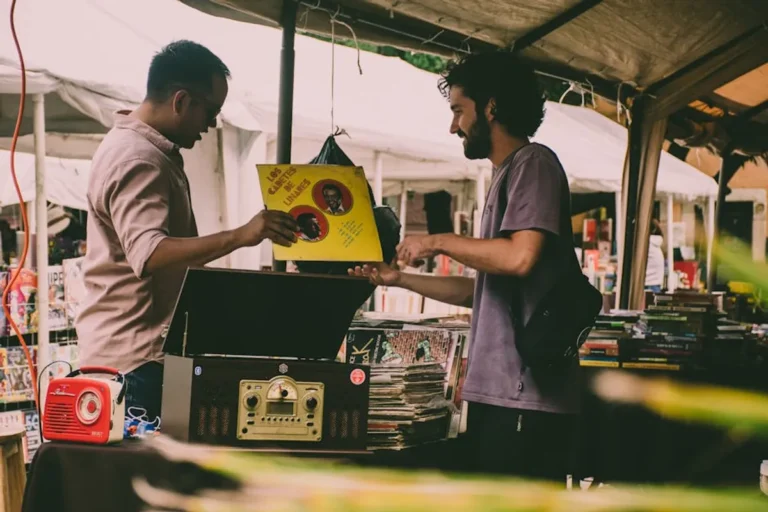

Live albums hold a distinct position in music, offering a portal beyond the polished confines of studio recordings. They capture a specific moment in time, translating the raw energy, improvisation, and audience interaction of a performance into a tangible audio experience. For many listeners, a great live album isn't just a collection of songs; it's a historical document, a testament to an artist's prowess on stage, and often, an entirely new interpretation of familiar material. This curated selection focuses on recordings that transcend simple documentation, delivering essential listening experiences that have shaped genres, defined careers, and offered unique insights into their creators' artistry. The criteria for inclusion prioritize performance quality, historical impact, sound fidelity relative to its era, and the album's ability to convey the atmosphere of the event, offering a definitive guide for both seasoned collectors and new enthusiasts seeking to understand the enduring appeal of the live record.
What Defines an Essential Live Album?
An essential live album distinguishes itself through several key attributes that elevate it beyond a mere concert recording. Foremost is the performance quality: artists must deliver not just their studio material, but often transcend it, offering spontaneous improvisations, heightened emotional intensity, or unique arrangements that are exclusive to the live setting. The energy exchange between the performer and the audience is crucial; a palpable sense of atmosphere, often conveyed through crowd noise and artist banter, imbues the recording with authenticity. Sound quality, while varying widely across eras and production budgets, must be sufficient to convey the musical nuances and power of the performance without significant distraction. Furthermore, historical context plays a significant role; many seminal live albums capture an artist at their peak, document a pivotal tour, or even introduce new material that becomes iconic. The tracklist itself is important, often featuring definitive versions of popular songs, deep cuts given new life, or even previously unrecorded compositions. Ultimately, an essential live album doesn't just replay music; it tells a story, preserves a moment, and offers a unique perspective on an artist's legacy that studio work alone cannot provide.
1. The Who – Live at Leeds
Recorded on February 14, 1970, at the University of Leeds, Live at Leeds is frequently cited as one of the greatest live rock albums ever. It captures The Who at their incendiary peak, delivering a performance characterized by explosive energy, tight musicianship, and a palpable sense of controlled chaos. The original six-track vinyl release was a stripped-down, raw document, featuring extended, powerful versions of tracks like "My Generation" and a blistering "Substitute." Subsequent reissues have expanded the tracklist to include the full performance of their rock opera Tommy and a more comprehensive selection of their set, showcasing the band's dynamic range from intricate rock to R&B covers.
Best for: Listeners seeking a definitive example of raw, powerful live rock music; fans of The Who wanting to experience the band at their most unbridled and spontaneous.
Pros:
- Unmatched energy and aggression from all four band members.
- Pete Townshend's guitar work is particularly fierce and innovative.
- John Entwistle's bass lines are intricate and driving, often acting as a lead instrument.
- Keith Moon's drumming is a masterclass in dynamic, unpredictable power.
- The recording quality, though basic, effectively conveys the band's intensity.
Cons:
- Original release was short; later reissues are more complete but can feel lengthy.
- Some minor sound imperfections due to the recording conditions.
- The raw mixing might not appeal to those accustomed to highly polished live productions.
Verdict: Live at Leeds remains a benchmark for live rock performance, an unfiltered snapshot of a band operating at the absolute zenith of their collective power. Its enduring influence stems from its sheer force and the band's willingness to push their material beyond studio constraints.
2. Johnny Cash – At Folsom Prison
Recorded live on January 13, 1968, inside Folsom State Prison, this album is more than a concert; it's a cultural and historical event. Johnny Cash, known for his outlaw image and empathy for the downtrodden, delivered a performance uniquely tailored for his incarcerated audience. The album captures the raw emotion, gallows humor, and genuine connection Cash forged with the inmates. Tracks like "Folsom Prison Blues" and "25 Minutes to Go" resonate with an intensity rarely found in studio recordings, punctuated by the cheers and laughter of the prisoners, making them an integral part of the narrative.
Best for: Fans of country music, folk, and Americana; those interested in the social history of music and the power of performance to connect with marginalized communities.
Pros:
- Authentic, unvarnished performance from Cash, deeply connected to the audience.
- The audience's reactions are integral, adding to the album's unique atmosphere.
- Features definitive live versions of several Cash classics.
- Historically significant, marking a pivotal moment in Cash's career and cultural impact.
- June Carter Cash's contributions add warmth and dynamic contrast.
Cons:
- Sound quality is raw and occasionally inconsistent, reflecting the recording environment.
- Some may find the subject matter and atmosphere somber.
- The recording includes some stage banter and audience noise that might distract some listeners.
Verdict: At Folsom Prison is a masterclass in empathetic performance and storytelling, solidifying Cash's legend as the "Man in Black" and demonstrating the profound power of music to transcend barriers and offer solace.
3. James Brown – Live at the Apollo (1962)
Released in 1963, Live at the Apollo is a foundational document of soul and R&B, capturing James Brown and The Famous Flames at the peak of their early showmanship. Recorded on October 24, 1962, this album is a relentless, high-energy performance that showcases Brown's electrifying stage presence, vocal prowess, and revolutionary approach to rhythm. It's a masterclass in pacing, building tension and releasing it through dynamic horn arrangements, tight vocal harmonies, and Brown's iconic shouts and screams. The album's commercial success, despite initial skepticism from his record label, proved the viability and power of live recordings.
Best for: Anyone interested in the origins of soul, funk, and modern R&B; musicians studying stage presence and band dynamics; fans of high-energy vocal performances.
Pros:
- Captures Brown's unparalleled showmanship and vocal intensity.
- Showcases the tight, precise musicianship of The Famous Flames.
- The audience's fervent reaction is a key component, highlighting the electric atmosphere.
- A landmark recording that influenced countless artists across genres.
- Demonstrates Brown's ability to command an audience with sheer force of personality.
Cons:
- Sound quality, while good for its era, is monaural and lacks modern fidelity.
- Some tracks are brief, acting more as segues or showcases for Brown's vocal flourishes.
- The pacing is relentless, which might be overwhelming for some listeners.
Verdict: An indispensable record, Live at the Apollo is a blueprint for live performance in popular music, demonstrating the raw power and innovation that cemented James Brown's status as "The Godfather of Soul."
4. The Allman Brothers Band – At Fillmore East
Recorded over three nights in March 1971 at the legendary Fillmore East in New York City, this double album is the definitive statement from The Allman Brothers Band and a cornerstone of Southern rock and jam band music. It captures the band's telepathic interplay, particularly between Duane Allman and Dickey Betts' dual lead guitars, and their ability to stretch out songs into extended, improvisational journeys. Tracks like "Whipping Post" and "In Memory of Elizabeth Reed" become epic showcases of blues-infused rock, demonstrating a level of musicianship and collective intuition rarely achieved.
Best for: Enthusiasts of blues-rock, jam bands, and extended improvisation; guitarists studying dual lead guitar techniques; listeners seeking immersive, lengthy musical explorations.
Pros:
- Showcases the band's legendary improvisational skills and musical chemistry.
- Duane Allman's slide guitar work is at its absolute peak.
- Exceptional sound quality for a live recording of its time, capturing the nuances of each instrument.
- Definitive versions of several Allman Brothers classics.
- Captures the vibrant atmosphere of the Fillmore East venue.
Cons:
- The extended track lengths might be daunting for listeners unaccustomed to jam-oriented music.
- Some minor performance variations across the recorded nights, though generally consistent.
- The album's length requires a dedicated listening session.
Verdict: At Fillmore East is a monumental achievement, a testament to virtuosity and collective improvisation that redefined live rock performance and remains a benchmark for instrumental prowess.
5. Peter Frampton – Frampton Comes Alive!
Released in 1976, Frampton Comes Alive! was a phenomenon, becoming one of the best-selling live albums of all time and catapulting Peter Frampton to superstardom. Recorded primarily in 1975 across multiple venues, the double album capitalized on Frampton's charismatic stage presence, melodic guitar work, and innovative use of the talk box effect. It features extended, energized versions of his studio tracks, most notably "Show Me the Way," "Baby, I Love Your Way," and "Do You Feel Like We Do," which became radio staples and defined the sound of arena rock for a generation.
Best for: Fans of classic rock, arena rock, and melodic guitar-driven music; listeners interested in the commercial peak of live albums in the 1970s.
Pros:
- Captures Frampton's engaging stage persona and audience interaction.
- Features iconic use of the talk box, making it a signature sound.
- High-quality sound production for a live album of its era.
- Energetic performances of well-known songs, often surpassing their studio counterparts.
- Demonstrates the commercial viability and power of a well-executed live album.
Cons:
- Some critics argue its commercial polish detracts from the raw spontaneity of other live albums.
- The talk box effect, while iconic, can be polarizing for some listeners.
- The album's length, while contributing to its value, can feel extensive.
Verdict: Frampton Comes Alive! is a masterclass in capturing the excitement of a live concert and translating it into a universally appealing record, defining an era of rock and showcasing Frampton's undeniable talent and showmanship.
6. Thin Lizzy – Live and Dangerous
Recorded during their 1977 tours and released in 1978, Live and Dangerous is a potent distillation of Thin Lizzy's twin-guitar attack, melodic songwriting, and Phil Lynott's charismatic frontman presence. Despite persistent rumors of extensive studio overdubs, the album captures the band's raw power and precision on stage. Tracks like "Emerald," "Rosalie," and "The Boys Are Back in Town" are delivered with an urgency and fire that often surpasses their studio counterparts, showcasing the intricate guitar harmonies and driving rhythm section that defined their sound.
Best for: Hard rock and classic rock enthusiasts; guitar players interested in dual-lead guitar arrangements; fans of charismatic frontmen and powerful songwriting.
Pros:
- Exceptional performances from Scott Gorham and Brian Robertson on guitars.
- Phil Lynott's vocals and stage banter are engaging and iconic.
- Features definitive, high-energy versions of many Thin Lizzy classics.
- The production, whether live or enhanced, creates a powerful and dynamic sound.
- Captures the band at a peak of their live prowess.
Cons:
- The debate around studio overdubs can detract from its "pure live" status for some purists.
- Some minor inconsistencies in individual performances, typical of live recordings.
- The album's overall sound is distinctly 70s hard rock, which may not appeal to all.
Verdict: Live and Dangerous is a thrilling, high-octane rock album that showcases Thin Lizzy's unique blend of melody, aggression, and dual-guitar virtuosity, proving its enduring appeal regardless of its production nuances.
7. Talking Heads – Stop Making Sense
Released in 1984 as both a concert film and a soundtrack album, Stop Making Sense documents Talking Heads' groundbreaking 1983 tour. Directed by Jonathan Demme, the performance is meticulously staged and visually stunning, but the audio stands alone as a masterclass in rhythmic precision and dynamic expansion of their studio material. The band gradually expands from David Byrne's solo acoustic opening to a full nine-piece ensemble, building a hypnotic, propulsive sound that redefined what a rock concert could be. Tracks like "Psycho Killer," "Burning Down the House," and "Once in a Lifetime" are delivered with an infectious energy and tightness.
Best for: Fans of art-rock, new wave, and experimental pop; musicians interested in rhythmic complexity and ensemble performance; listeners seeking a highly conceptual and meticulously executed live experience.
Pros:
- Exceptional sound quality, capturing every nuance of the expanded band.
- Features unique, often superior, arrangements of Talking Heads' most iconic songs.
- The gradual introduction of band members creates a compelling narrative arc.
- Showcases the band's incredible rhythmic precision and musical interplay.
- David Byrne's unique stage presence and vocal delivery are captivating.
Cons:
- The album's studio-like precision might lack the raw spontaneity some expect from live recordings.
- Some listeners might miss the visual context of the accompanying film.
- The art-rock aesthetic may not appeal to all musical preferences.
Verdict: Stop Making Sense is a meticulously crafted and exhilarating live album that transcends a simple concert recording, offering a unique and deeply influential artistic statement that redefined the possibilities of live performance.
8. Nirvana – MTV Unplugged in New York
Recorded on November 18, 1993, and released posthumously in 1994, MTV Unplugged in New York presents a stark and emotionally resonant side of Nirvana. Stripped of their usual electric distortion, the acoustic setting allows Kurt Cobain's songwriting and vocal fragility to shine through. The performance features a mix of Nirvana originals, deep cuts, and unexpected covers, most notably powerful renditions of songs by The Vaselines, David Bowie, and Lead Belly. The intimacy of the setting, combined with the band's raw vulnerability, creates a haunting and deeply personal experience.
Best for: Fans of alternative rock, grunge, and acoustic performances; listeners seeking raw emotional depth and a unique perspective on a band's catalog.
Pros:
- Showcases Kurt Cobain's songwriting and vocal delivery in a new, intimate light.
- Features unique acoustic arrangements that reveal new layers in familiar songs.
- The covers selected are performed with reverence and emotional weight.
- Captures a poignant moment in the band's history.
- Excellent sound quality for an acoustic live recording.
Cons:
- The somber and melancholic atmosphere might not appeal to all listeners.
- Lacks the explosive energy of their electric performances, which some fans might prefer.
- The album's posthumous release adds a layer of sadness that can be difficult for some.
Verdict: MTV Unplugged in New York is a landmark in acoustic live performance, offering a raw, vulnerable, and deeply moving insight into the artistry of Nirvana and solidifying its place as a definitive document of 90s alternative music.
9. Bob Marley & The Wailers – Live!
Recorded on July 18-19, 1975, at the Lyceum Ballroom in London, Live! captures Bob Marley & The Wailers at the height of their international appeal. This album is a vibrant, energetic testament to Marley's charismatic stage presence and the spiritual power of his music. It features extended, passionate versions of classics like "No Woman, No Cry," "Lively Up Yourself," and "I Shot the Sheriff," imbued with an urgency and communal spirit that transcends the studio recordings. The audience's enthusiastic participation is integral to the album's atmosphere, highlighting Marley's ability to connect universally.
Best for: Fans of reggae music, world music, and charismatic vocalists; listeners seeking uplifting, rhythmically rich performances with a strong message.
Pros:
- Captures Bob Marley's powerful vocal delivery and spiritual stage presence.
- Features definitive, extended live versions of iconic reggae songs.
- The Wailers' musicianship is exceptionally tight and grooving.
- The audience's fervent engagement contributes significantly to the album's energy.
- Excellent sound quality that faithfully reproduces the band's intricate rhythms and horn arrangements.
Cons:
- The album's relatively short length (for a live album) might leave some listeners wanting more.
- Some minor imperfections in performance, typical of high-energy live shows.
- The focus on a specific era of Marley's career means some later hits are absent.
Verdict: Live! is an essential reggae document, showcasing Bob Marley's unparalleled ability to deliver his message of unity and liberation with infectious rhythm and undeniable charisma, cementing his status as a global icon.
10. Cheap Trick – Live at Budokan
Recorded on April 28 and 30, 1978, at the Nippon Budokan arena in Tokyo, Cheap Trick at Budokan was originally intended for release only in Japan but became a massive international hit in 1979. The album captured the band's raw power, pop sensibility, and infectious energy, particularly resonating with the enthusiastic Japanese audience. Tracks like "I Want You to Want Me," "Surrender," and "Dream Police" are delivered with an urgency and excitement that often outshines their studio counterparts, cementing Cheap Trick's reputation as a formidable live act.
Best for: Fans of power pop, hard rock, and arena rock; listeners seeking high-energy, catchy live performances that blend pop hooks with rock aggression.
Pros:
- Captures the band's explosive live energy and tight musicianship.
- Features definitive, highly energetic versions of many Cheap Trick classics.
- The fervent Japanese audience reaction is a key element, adding to the excitement.
- Excellent sound quality that balances raw power with clear instrumentation.
- The album's success transformed the band's career, highlighting its historical impact.
Cons:
- Some might find the pop-rock aesthetic less "heavy" than other hard rock live albums.
- The original release was somewhat short; expanded editions offer more but can feel less concise.
- Occasional minor vocal strain, typical of high-energy live singing.
Verdict: Cheap Trick at Budokan is a vibrant, exhilarating live album that perfectly encapsulates the band's unique blend of power pop and hard rock, proving its enduring appeal as a quintessential example of arena rock captured live.
11. Sam Cooke – Live at the Harlem Square Club, 1963
Recorded on January 12, 1963, in Miami, Florida, Live at the Harlem Square Club, 1963 was controversially shelved for over two decades due to its raw, gritty sound, which differed significantly from Cooke's polished studio output. Released in 1985, it reveals a Sam Cooke rarely heard: a dynamic, soulful performer who could work a crowd with uninhibited passion and blues-soaked intensity. This album showcases his gospel roots and his ability to transform pop hits into fervent, improvisational showcases, proving his immense range beyond his chart-topping singles.
Best for: Fans of soul music, R&B, and gospel; listeners interested in the raw, unvarnished side of a legendary vocalist; musicians studying vocal improvisation and audience engagement.
Pros:
- Showcases Sam Cooke's incredible vocal power and improvisational skill.
- Captures a raw, energetic performance that contrasts with his smoother studio work.
- The audience's enthusiastic interaction creates an electric atmosphere.
- Features unique, blues-infused interpretations of his hits and covers.
- Historically significant, revealing a crucial dimension of Cooke's artistry.
Cons:
- The raw, unpolished sound quality might be challenging for some listeners accustomed to modern fidelity.
- The intensity of the performance might be overwhelming for those expecting his more serene studio sound.
- The album's belated release meant its impact was delayed.
Verdict: Live at the Harlem Square Club, 1963 is a revelatory document, presenting Sam Cooke as a formidable, electrifying showman whose raw talent and emotional depth were sometimes obscured by his pop success, making it an indispensable listen for understanding his full artistic scope.
12. Deep Purple – Made in Japan
Recorded over three nights in August 1972 during their first tour of Japan, Made in Japan is a definitive heavy rock live album and a landmark in Deep Purple's discography. It captures the Mark II lineup at their creative and instrumental zenith, delivering extended, improvisational versions of their most iconic tracks. Ritchie Blackmore's guitar pyrotechnics, Jon Lord's organ wizardry, Ian Paice's powerful drumming, and Ian Gillan's soaring vocals combine to create a monumental sound. Tracks like "Highway Star," "Smoke