
Most albums I love I stop returning to within a year. A small number become permanent — albums I return to in different moods, different life situations, finding new things in them each time. The difference between the temporary loves and the permanent presences isn't always predictable in the moment of first listening. Looking back across years of listening, certain patterns recur in the albums that stayed.
What the permanent albums share
Looking at the albums I've returned to across decades, patterns emerge:
1. They reward attention without demanding it constantly. Worth listening to closely; also work as background. Both modes produce value.
2. The songwriting is strong throughout. No filler tracks. Every song earns its place.
3. The production has substance without showing off. The records are well-made without the production calling attention to itself.
4. They work as wholes. Sequenced thoughtfully. Songs gain meaning from their context within the album.
5. They handle emotional content with restraint. Even when content is heavy, the records don't push too hard for the emotion.
The temporary loves often have one or two of these qualities; the permanent presences have all of them.
What ages them well
Beyond initial quality, certain qualities help albums age well:
Production that doesn't depend on specific moment. Albums whose production sounds dated within years didn't use timeless approaches. Albums whose production still sounds fresh decades later usually used approaches that didn't depend on the technical or aesthetic moment.
Songwriting that addresses persistent human experiences. Albums about love, loss, family, time, mortality, identity tend to age better than albums about specific cultural moments. The persistent themes remain relevant; the specific moments don't.
Performance that captures specific moments of artists at their peak. Even artists with long careers have specific peak moments. Albums made during these peaks tend to hold up better than albums made during career declines.
Cultural framing that doesn't require contemporary context. Albums whose appeal depends on you being there at the time often don't age. Albums whose appeal works regardless of when you encounter them age better.
The relationship to listener growth
Permanent albums have a quality that's harder to describe: they grow with the listener. The album you loved at 22 is a different album at 35; you bring different experiences to it; it reveals different things.
This isn't about the album changing — recordings are static. It's about the listener bringing more to the listening across years. Albums with substantial depth support this kind of growth; shallower albums get exhausted on repeated listening.
The depth that supports this isn't always obvious in initial listening. Some albums reveal their depth only after years of repeated engagement. The willingness to return to specific albums is what enables the depth to emerge.
The case for repeat listening
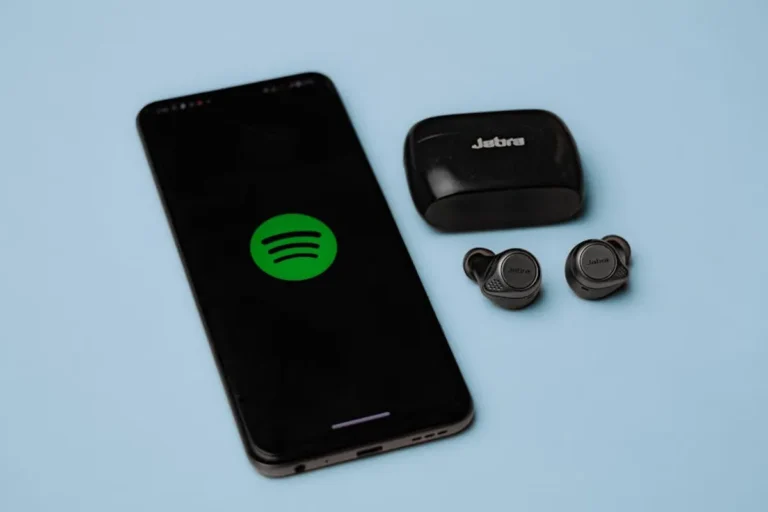
Streaming culture pushes toward novelty. The next new release is one tap away. The discovery mode is privileged over the deep-listening mode.
This is, I think, a loss. The records that reward repeat listening offer something the discovery mode can't replicate. The depth that emerges from twenty listens of the same album is different from the breadth that emerges from twenty different albums heard once.
Both modes have value. The discovery mode produces awareness; the deep-listening mode produces relationship. Music life that includes both produces more than music life that's exclusively one or the other.
How to develop deeper listening
For listeners wanting to develop deeper relationships with specific albums:
- Pick albums that initially reward attention. The albums that reveal something on first listen are usually the ones that have more to reveal across many listens.
- Listen multiple times across different moods and situations. The same album reveals different things in different contexts.
- Listen with attention sometimes; as background sometimes. Different listening modes reveal different aspects.
- Read about the albums. Critical writing and artist commentary often reveal context that deepens listening.
- Be patient. The depth that develops across years can't be accelerated.
What this isn't about
This isn't an argument for ignoring new music. The discovery of new music remains valuable. New albums become permanent albums for listeners who stay with them.
It's an argument for both modes — discovery and depth — rather than treating discovery as the only valuable mode. The albums that become permanent are typically albums that listeners chose to stay with rather than moving on to the next discovery.
The closing observation
Some albums become permanent presences in listening lives. The qualities that produce this status are partially predictable, partially emergent. The willingness to return to specific albums across years is what allows the depth to develop.
For your own listening, identify albums that initially reward attention. Stay with them. The relationships that develop across years produce something that constant discovery can't.